
DDRN – Page 28 – Danish Development Research Network

Ethnographic Research: One Man’s Long Journey to PhD

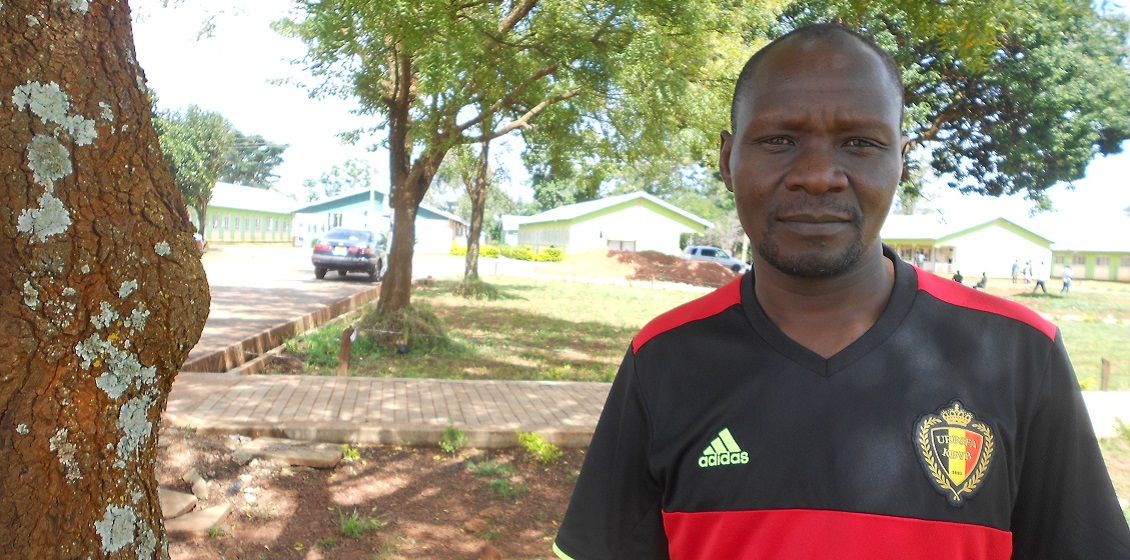
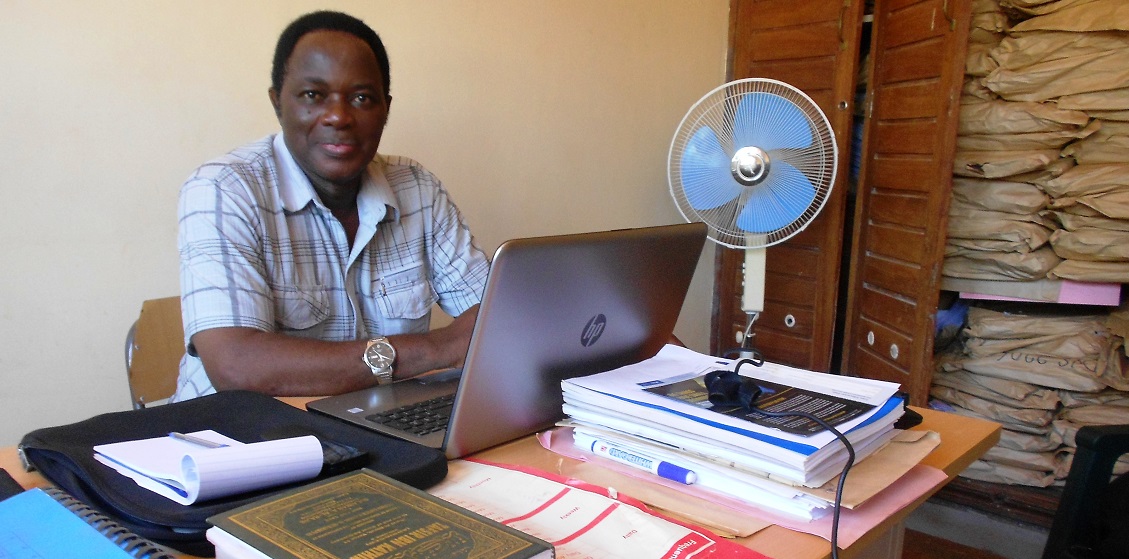
Sulayman Mpisi Babiiha’s PhD experience represents the epitome of perseverance of an academic. His account is touching, but because he speaks with so much calmness, I can take it in with some ease. He has been pursuing his PhD certificate for ten years and he won’t give up the hope yet.

Uganda’s Lost Generation: “A Double Strand Approach to Education Could Be the Best Option”

13 years ago, the armed conflict in Northern Uganda ended. Government forces fought the Lord’s Resistance Army (LRA) rebels. Local and international groups have invested a lot of resources in the region in an attempt to return it to decency. Today, perhaps nothing worries them more than the children of the war and their offsprings, described as The Lost Generation.

Director of DUCED, Niels Thygesen: ‘A well-functioning educational sector is the key to development’

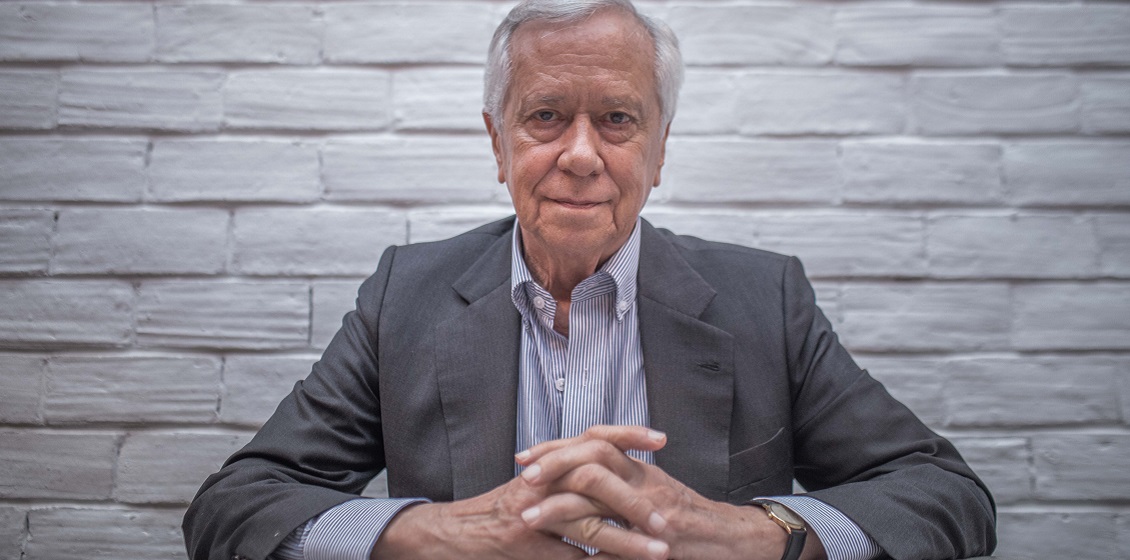
‘When it comes to capacity building in higher education systems, it is much harder to show direct evidence of the development effect in society’ says Niels Thygesen, Director of DUCED I&UA almost 20 years ago, ‘the effect of the DUCED/LUCED programme was massive in the targeted countries; the initiatives implemented almost 20 years ago have rubbed off even to this day’.

REVIEW: Veronica Velasco’s Nuuk at the Copenhagen Asian Film Festival (CAFF)

Veronica Velasco’s movie ‘Nuuk’ (2019) has been described elsewhere as “The Filipino Take on a Nordic Noir Film”. To what extend this claim plays a role in choosing Nuuk for the Copenhagen Asian Film Festival’s (CAFF) “Closing Gala Film” has not been expounded. However, a picture on Filipino immigrant diaspora in the Danish postcolonial region, is definitely a well-chosen theme to give special attention to.

“Public engagement”: New role for researchers in Kenya?

Some of Kenya’s most celebrated scientists and researchers congregated in a hotel in Nairobi, to celebrate the world anti-microbial week. Apart from the jaw breaking scientific recommendations that came at the end of the two-day event to research more on taming the abuse of drugs, was scientists needed to interact more with the public.

Thabit Jacob: Winners and losers in the green energy transition

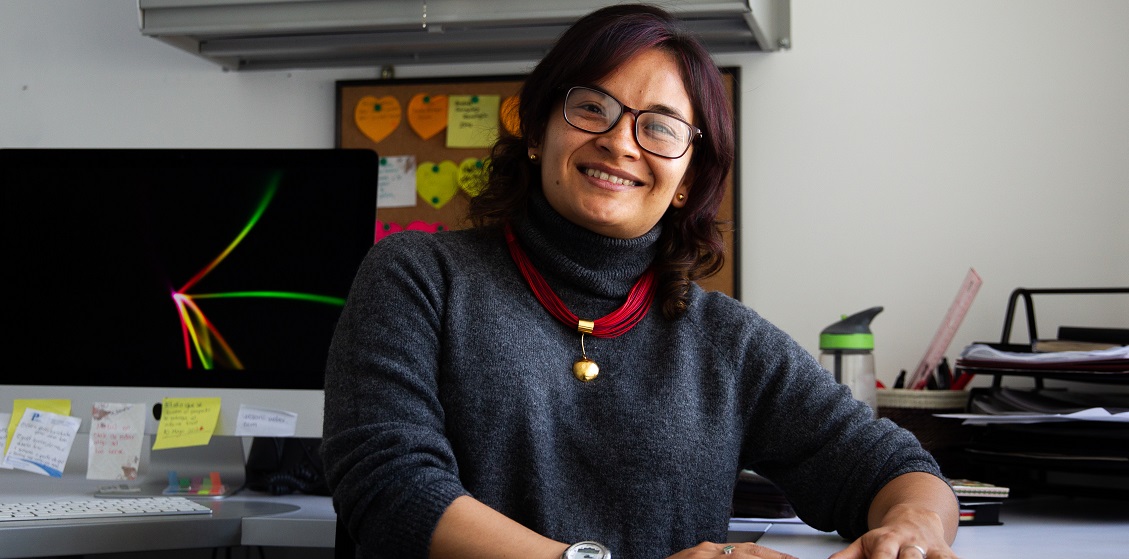
Achieving UN’s Sustainable Development Goals (SDG) requires careful attention to the risk of potential contradictions between the individual goals. For instance, how do we make energy both clean, affordable and accessible? Tanzanian Doctoral researcher Thabit Jacob’s scholarly contribution highlights the complexities of the global green energy transition. Especially the challenges in the sub-Saharan countries where most people are living without electricity.

“You are not criminal. It is the state criminalising you”

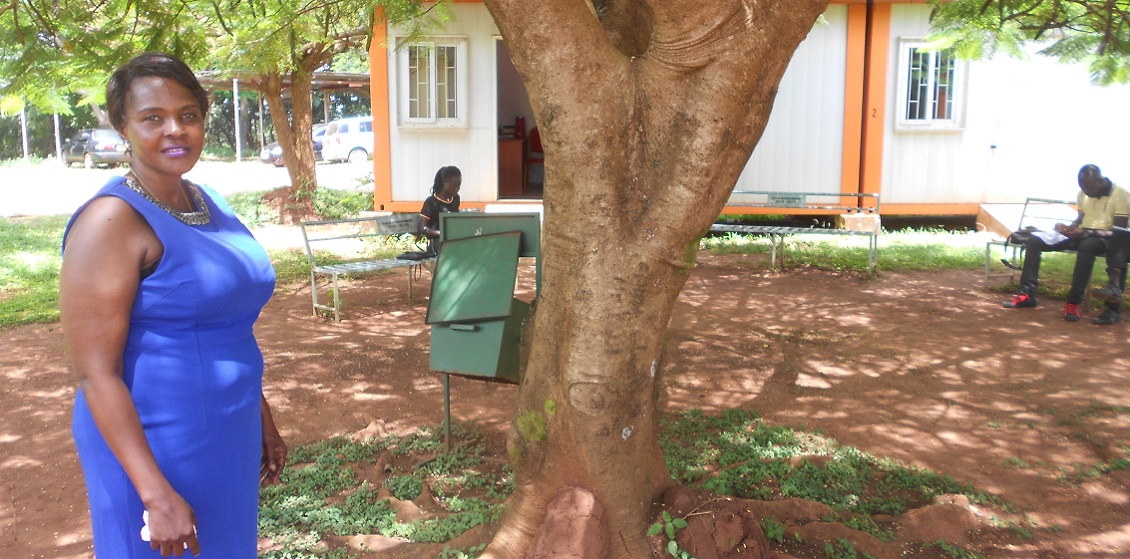
It is an October morning at Gulu University in northern Uganda. Outside Agatha Alidri’s office clouds start to gather. We expect it to rain any time from now.  A Problem Based Learning (PBL) workshop is going on in the block opposite, facilitated by two professors from Aalborg University in Denmark. Alidri paces up and down. She is fast in her steps and when she stops to listen to someone she gives them maximum attention. The will to help is written all over her face.