Green Charcoal: Could Research at Gulu University Ignite a Biomass Energy Revolution in Uganda?
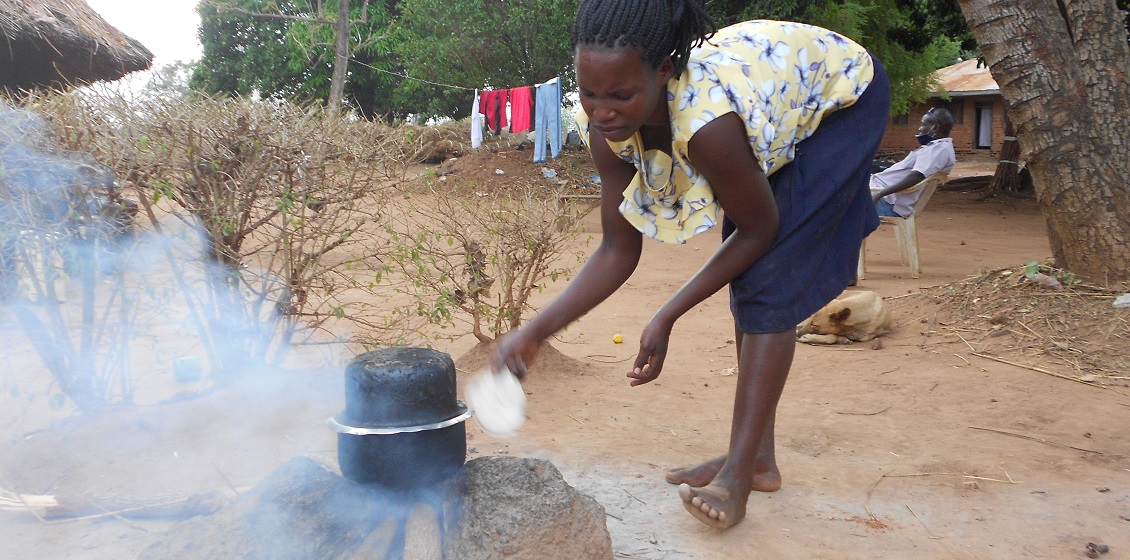
On a quiet Friday evening in March, Miriam Ajak, 23, stoops over the traditional three-stone stove in front of her hut in Lawiyeadul village, Laliya …
Danish Development Research Network
On a quiet Friday evening in March, Miriam Ajak, 23, stoops over the traditional three-stone stove in front of her hut in Lawiyeadul village, Laliya …
When Asaf Adebua in 2017 started to study for his PhD at Gulu University ‘The Contributions of Institutions of Higher Learning to Post-war Community Transformation: The Case of Gulu University in Gulu District’, he was investigating the relevance of his university to the community it targets to transform, going by the university’s motto, For Community Transformation.
Walk into a local market in Uganda and you will be struck with a range of fresh fruits; mangoes, tomatoes, melons, pineapples, name it. They are arranged invitingly on the ground or on a stand to tickle your thirst and appetite. The seller is usually a woman.
Sulayman Mpisi Babiiha’s PhD experience represents the epitome of perseverance of an academic. His account is touching, but because he speaks with so much calmness, I can take it in with some ease. He has been pursuing his PhD certificate for ten years and he won’t give up the hope yet.
13 years ago, the armed conflict in Northern Uganda ended. Government forces fought the Lord’s Resistance Army (LRA) rebels. Local and international groups have invested a lot of resources in the region in an attempt to return it to decency. Today, perhaps nothing worries them more than the children of the war and their offsprings, described as The Lost Generation.
Geoffrey Tabo Olok in 2016 enrolled at Aalborg University to study e-learning for his PhD. Olok and his supervisors now have their eyes on an ambitious plan to establish a centre of excellence in ICT research and learning not only for Gulu University but also to improve Africa’s relevance in that area.
It is an October morning at Gulu University in northern Uganda. Outside Agatha Alidri’s office clouds start to gather. We expect it to rain any time from now. A Problem Based Learning (PBL) workshop is going on in the block opposite, facilitated by two professors from Aalborg University in Denmark. Alidri paces up and down. She is fast in her steps and when she stops to listen to someone she gives them maximum attention. The will to help is written all over her face.
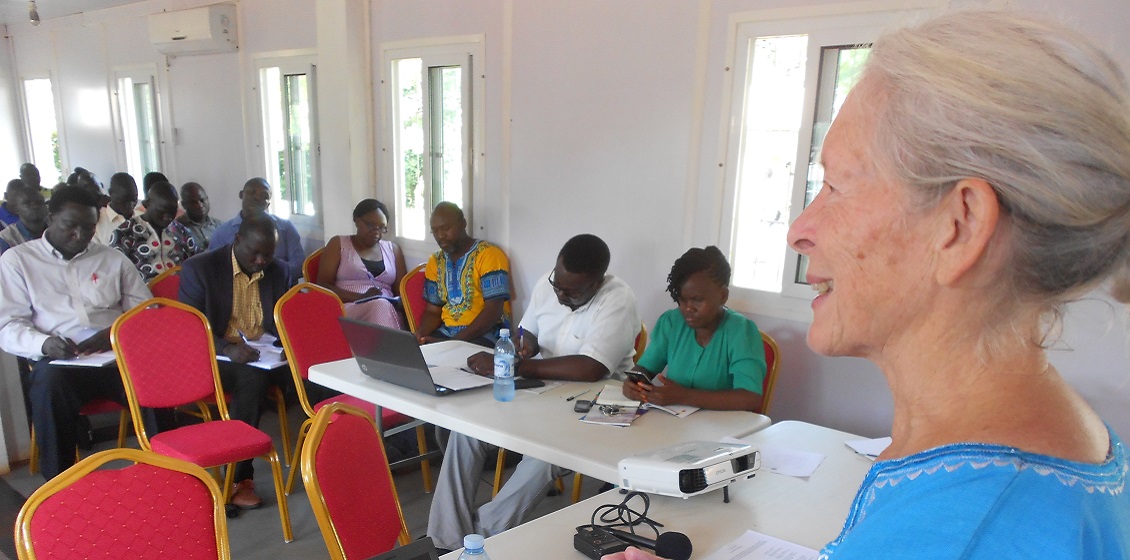
On a cloudy October Friday at Gulu University, a few dozens of Masters students from the Faculty of Business and Development Studies fill up a little shelter set up by the Building Stronger Universities (BSU) project for workshops and conferences. One group after another, from within themselves, they step forward to present their research works to a makeshift team of internal and external examiners. The audience includes their peers, their supervisors, and professors Inger Lassen and Iben Jensen from Aalborg University in Denmark.
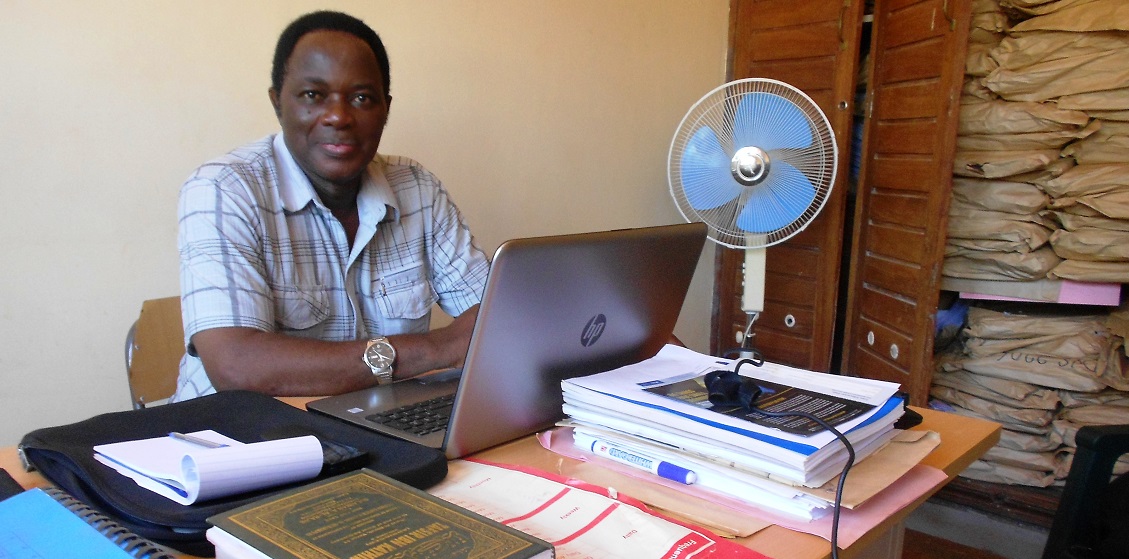
The first time I spoke to Dr. Expedito Nuwategeka was on the telephone. In my mind I saw the image of a 60-year old man sitting on a wooden chair with piles of books at his table. However, that is not the image I arrived to at Gulu University on an April afternoon to meet him.
In Gulu University’s history of nearly two decades, the story of ENRECA is told and retold with passion. The four-year Danish International Development Agency (DANIDA) funded 10 million DKK project was the university’s turning point in many ways: It delivered its first PhD, its first female PhD, 20 master’s degrees, several research collaborations, experience in managing large grants and a lot more.