
DDRN – Page 30 – Danish Development Research Network

“Our water depends on these places – and we still don’t understand well, exactly how”

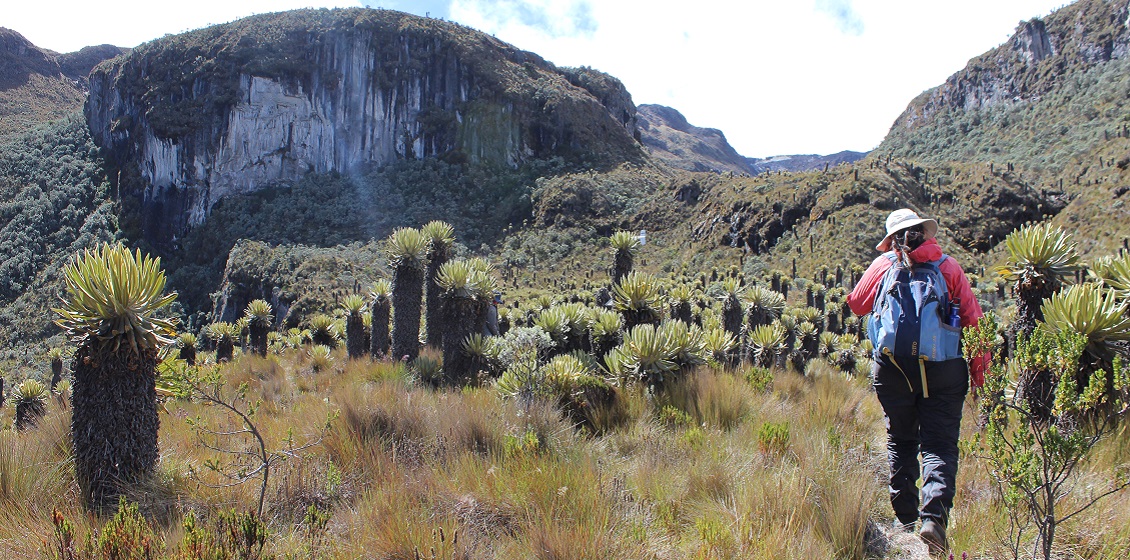
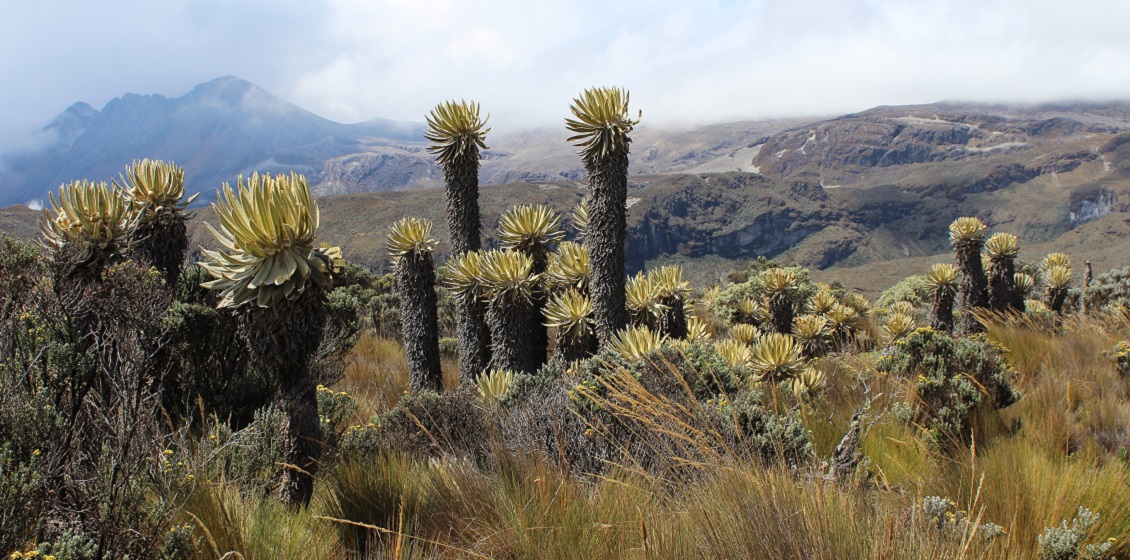
Maria Elena Gutierrez-Lagoueyte, a young ecologist, from the Colombian city Medellin, studies in detail the plants of the páramos (the moorlands). She studies the plants in order to understand how the unique Andean ecosystem plays a central role in the water cycle, providing the drinking water for around 40 million people in South America. But we do not know how exactly those moorland plants function.

Mr. ENRECA and the Grant that Lifted Gulu University

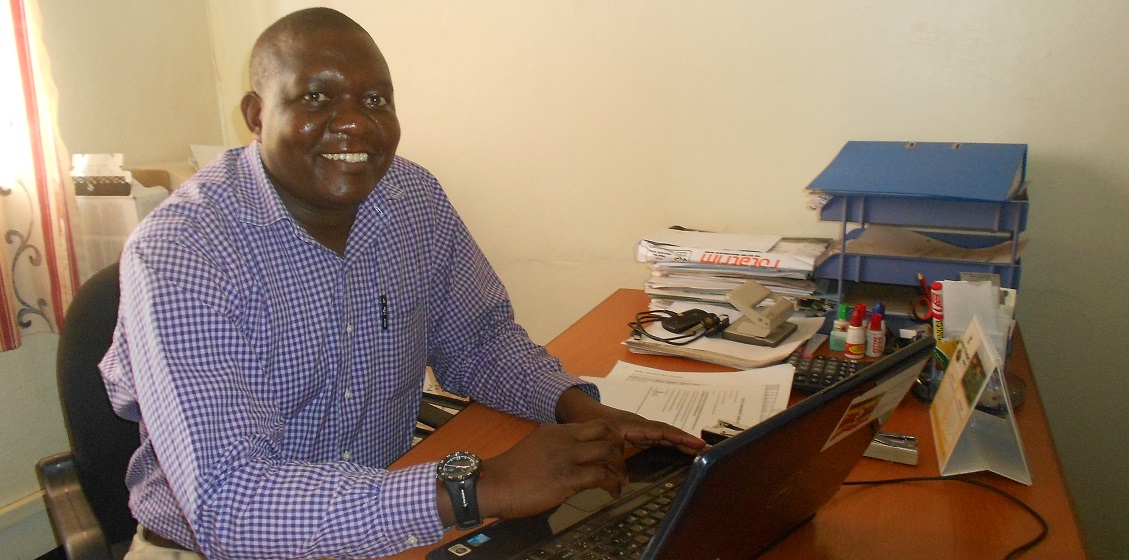
In Gulu University’s history of nearly two decades, the story of ENRECA is told and retold with passion. The four-year Danish International Development Agency (DANIDA) funded 10 million DKK project was the university’s turning point in many ways: It delivered its first PhD, its first female PhD, 20 master’s degrees, several research collaborations, experience in managing large grants and a lot more.

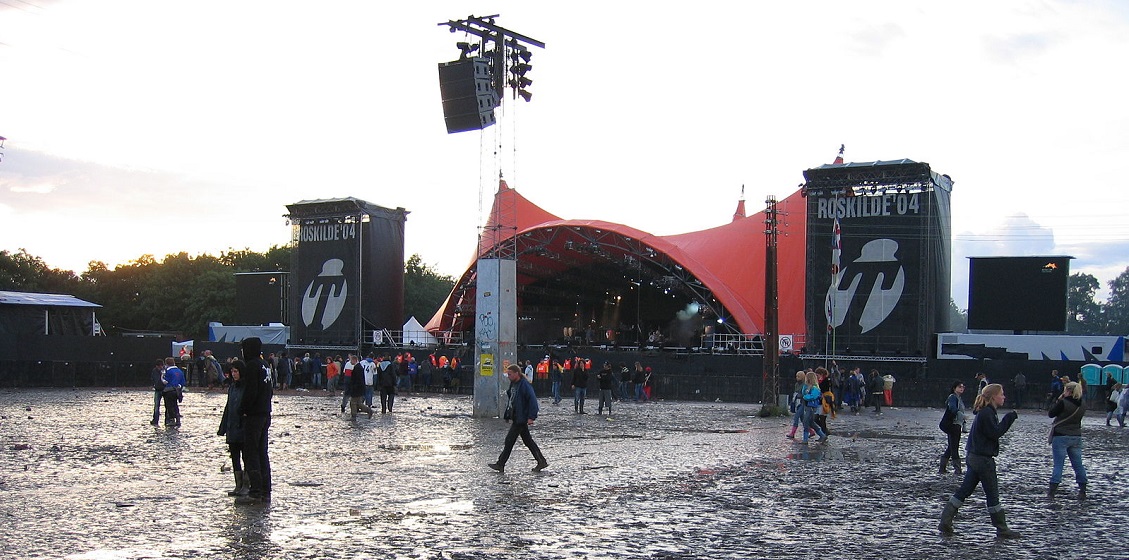
How much damage did your trip to Roskilde Festival do to the environment, this year?

Most young people are becoming increasingly aware of their environmental impact, making sensible decisions on a daily basis, to reduce their carbon footprint, and to improve upon their self-sustainability. This involves continuously implementing sacrifices into daily life, for the benefit of the planet. Unfortunately, choosing to spend part of your summer at a festival can be a huge strain on your overall footprint.

DDRN/UCPH seminar: South-North Research Cooperation at University of Copenhagen

The fifth seminar in the DDRN series on South-North research cooperation is co-organised with UCPH Global Development, SCIENCE Sustainable Development Working Group at University of Copenhagen. It takes place at the Science Faculty campus in Frederiksberg. The key note presentation is by PhD student Carla Ximena Little, Department of Plant and Environmental Sciences.

Crisis of Ethnicity: Understanding Uganda through a Tribe Lens

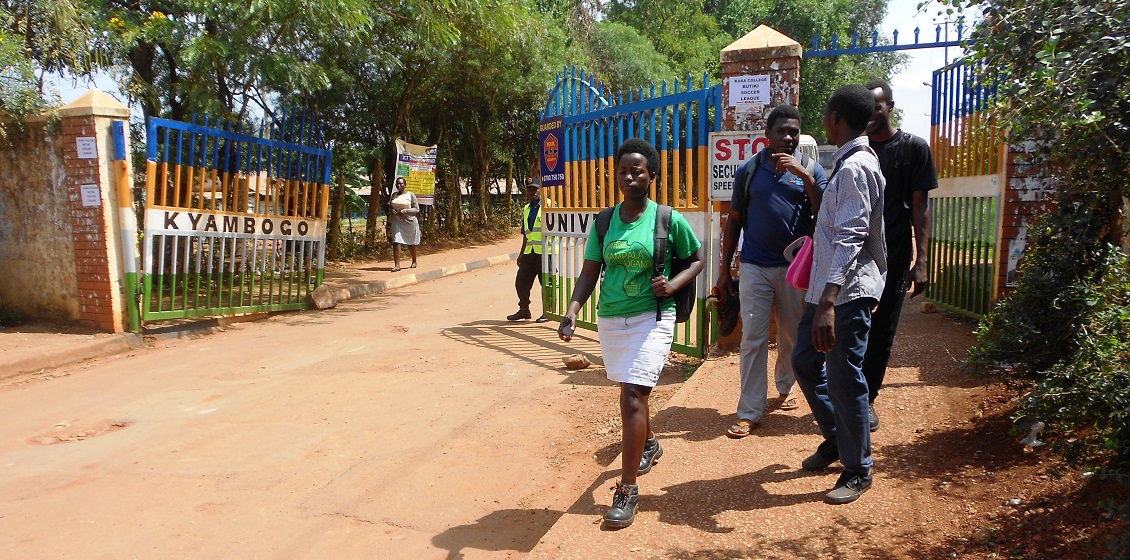
Many Ugandans are quick to identify themselves by tribe – 56 tribes there are in total. They like to describe themselves, and are also often described by others, as humble, welcoming and peaceful but Uganda’s political history hardly reflects the peaceful part. When I visit Associate Professor Charles Amone on a July afternoon, Kyambogo University is in recess so it is generally quiet. His reflections paint a picture of a country less united than the world may be led to think – a crisis that fuels inequality and conflicts from within.