
DDRN – Page 29 – Danish Development Research Network

Uganda’s Unique Refugee-Hosting Model: Between Reciprocal Innovation and Challenges

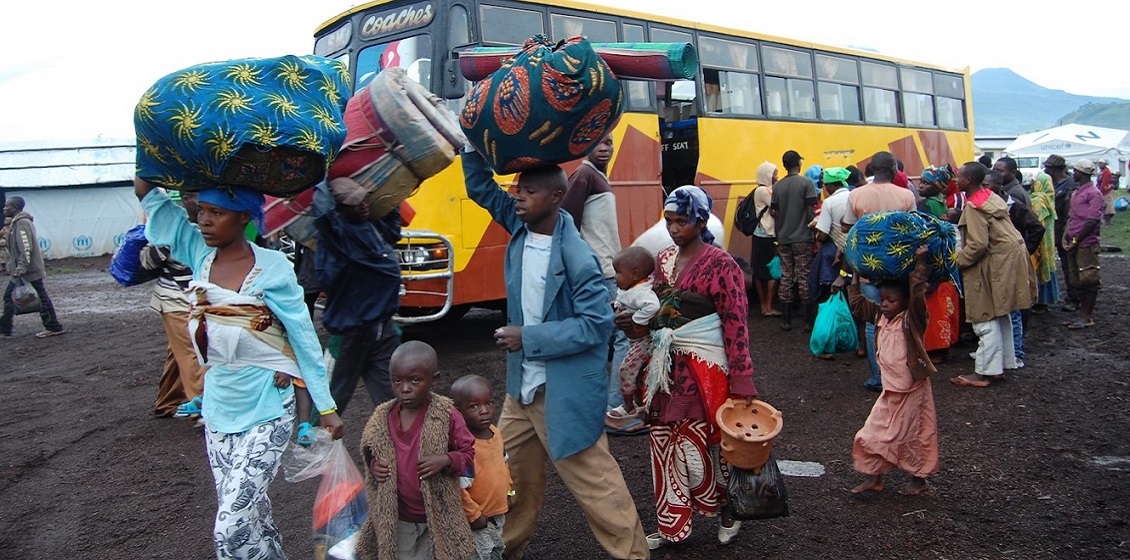
While mixed migration to the industrialised world captures most media and political attention, the reality is that approximately 85 percent of the worlds refugees and asylum seekers are hosted in so-called developing countries. Uganda is, as a low-income nation at the size of the UK, hosting more than any other African country. Uganda, further has the world’s third largest refugee population, after Turkey and Pakistan, with more than 1.3 million refugees by September 2019, of which more than one million has arrived since 2017.
Same sky, different insights: Danish-Chilean research collaboration on astronomy

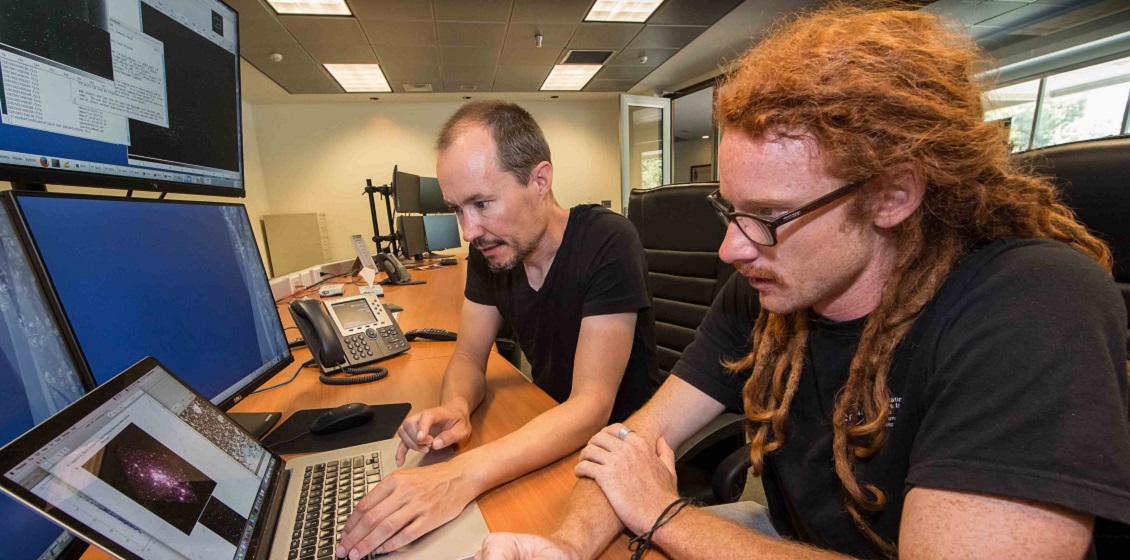
Chile has outstanding geographical and climatic qualities to do research in astronomy. Denmark has great resources and human capital to do cutting edge scientific research. Even though Chile and Denmark are 12.724 kilometres apart, if you look deeper, you can find great research and scientific collaboration between both countries.

ELLS student conference – connecting life science students, sharing research

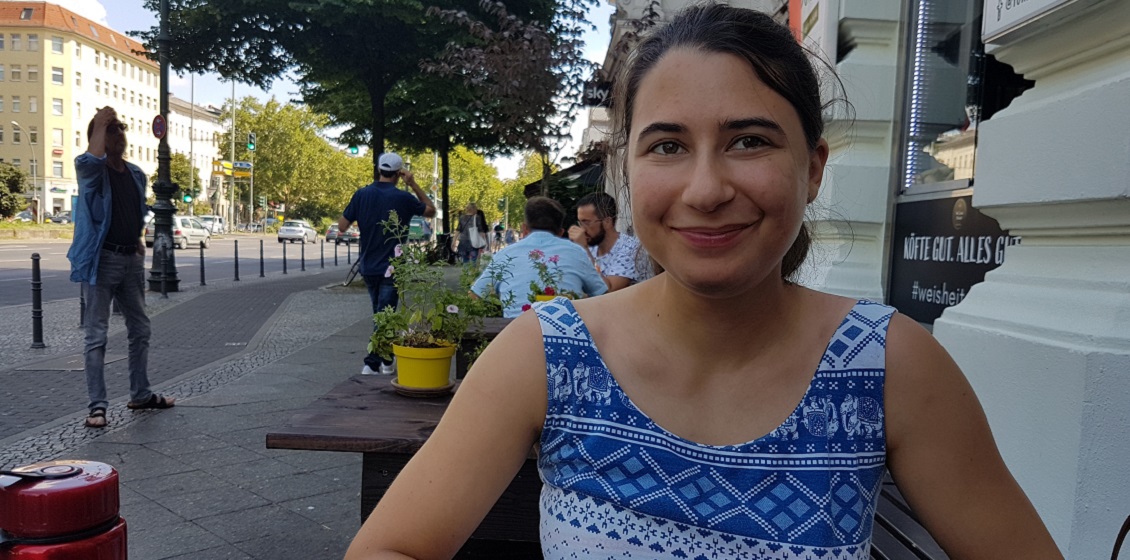
There are many opportunities for European and non-European students to travel around in Europe and in the world to meet other students and different realities. DDRN university intern, Dori Zantedeschi, joined the ELLS conference 2019 for life science students in Uppsala, Sweden, Here she introduces the conference and interviews three non-European students. 

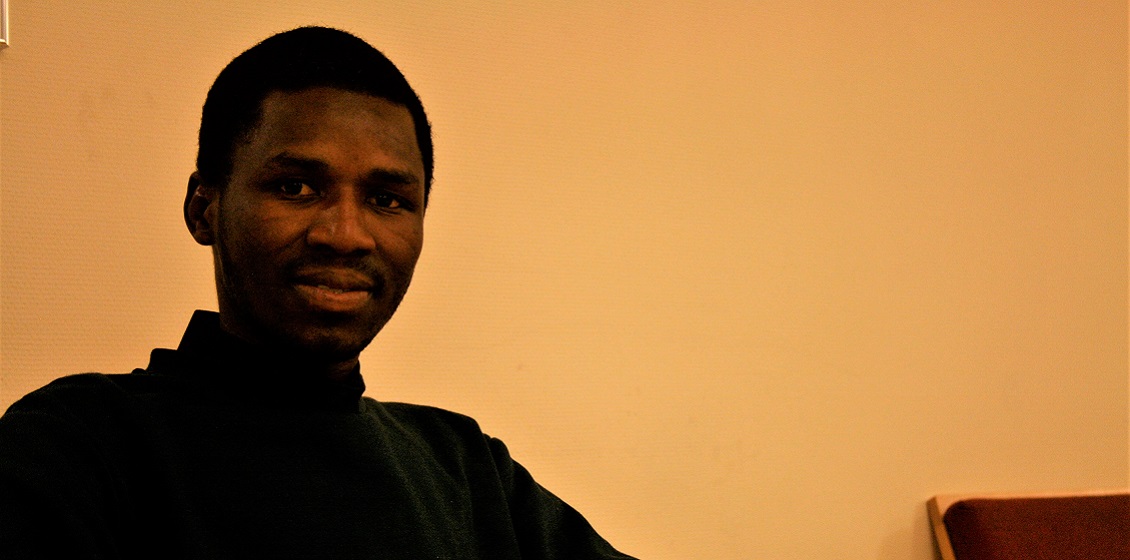
“In Africa millions of people lack access to stable electricity”. Musa Bishir is on the quest for a change

During the ELLS Student Conference 2019, in Uppsala, I had the opportunity to attend Musa Bishir’s presentation about his Ph.D. research project on microbial fuel cells. After his presentation, I asked him if he was available to have a talk about his background and interests. We sat in the library in the Ultuna campus of the Swedish University of Agricultural Sciences (SLU), which hosted ELLS 2019.

Changing the diet nationally affects water globally

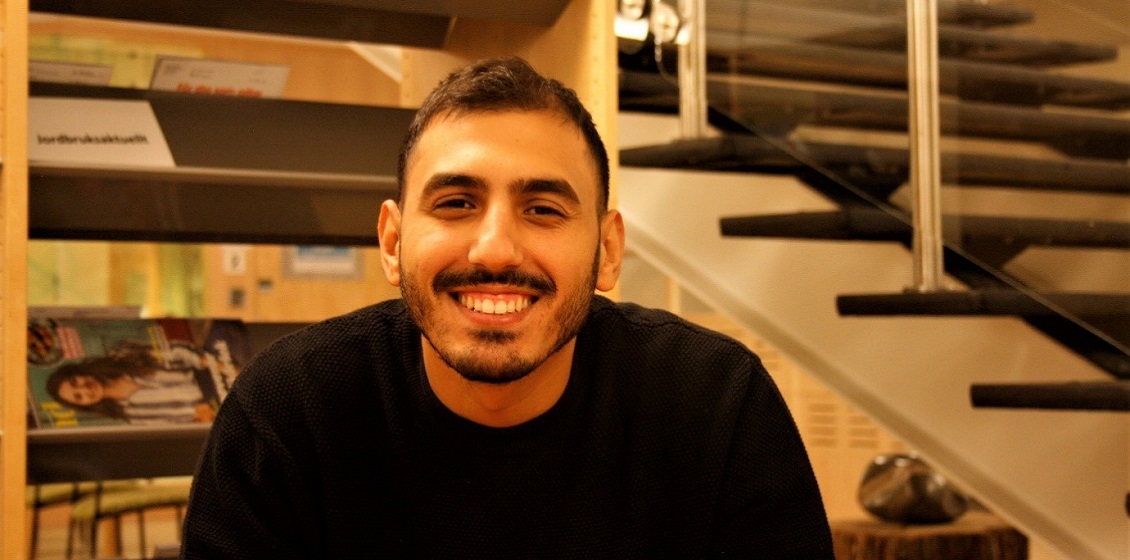
In November 2019, Dori Zantedeschi was attending the ELLS Student Conference 2019, in Uppsala at Ultuna campus of the Swedish Agricultural University (SLU). Along with listening to students’ presentations, I was catching up with some friends that are part of the same double degree program as mine called Environmental Science in Europe (EnvEuro), but that I don’t have the opportunity to see often, since we study in different universities. For the last two years, the ELLS conference has been a fixed appointment for meeting each other.

Being a Quilombola farmer and being considered a drug dealer

In November 2019, I was In Uppsala for the ELLS Student Conference (see article), organized by Swedish University of Agricultural Sciences in Ultuna campus. On the second and last day of the conference, I went to Danilo Crispim Massuela’s poster presentation. I like poster presentation, because the atmosphere is more familiar since you stand all around the poster and the presenter.

The Unbearable Lightness of Spacetime

The third prize in the DDRN Essay Competition for University Students 2019 was awarded to Andrea Palessandro, Physics, University of Southern Denmark. The Assessment Committee wrote: “Very well written, and structured to make an exciting essay, which potentially will address a wide audience…The topic is not for everyday consumption, rather it calls for extended contemplation during a Sunday afternoon.”

Does climate change put our morning cup of coffee at risk?

The second prize in the DDRN Essay Competition for University Students 2019 was awarded to Athina Koutouleas, Geosciences and Natural Resource Management, University of Copenhagen. The Assessment Committee wrote: “A very well written essay focusing on the reader throughout the story…Relating to an everyday situation really works well…The relevance of the research project is presented without drowning the reader in facts and figures…The final sentence effectively encourages the reader to reflect.”

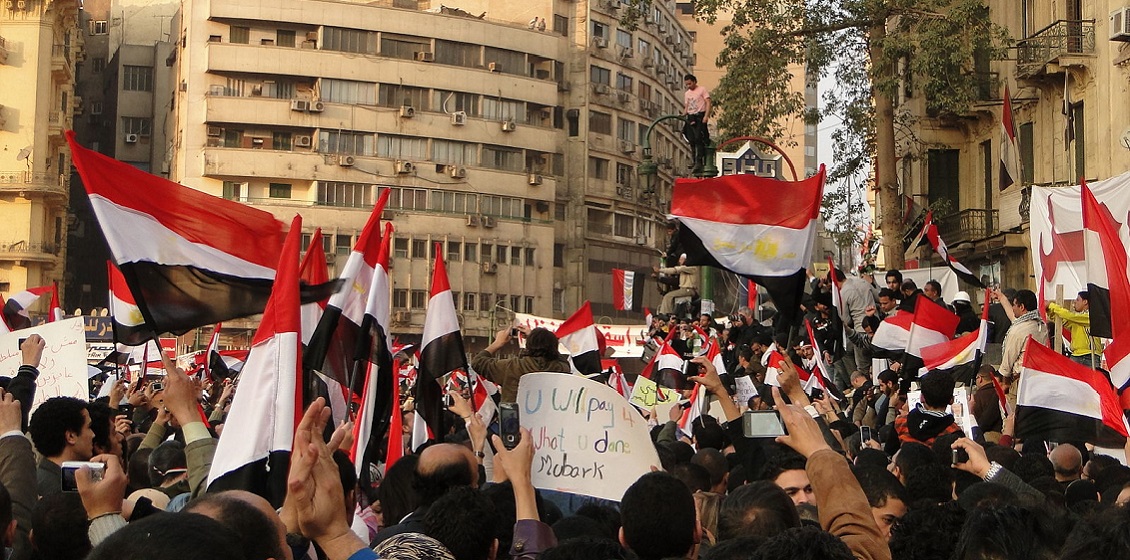
“People expected political transformations and democratisation in a second”

In September 2018, Mostafa Shehata defended his PhD Dissertation: “Newspaper and Social Network Sites in Egypt After the 2011 Revolution: Connective Action, Communication Power and Mediatization of Politics”, at Roskilde University (RUC) in Denmark. He concluded that “media can provide a good space for mobilisation for a specific amount of time. But in the long run, you will need strong presence ‘on the ground’, and organisations to support your mobility and your movement”.