
DDRN – Page 28 – Danish Development Research Network

“Public engagement”: New role for researchers in Kenya?

Some of Kenya’s most celebrated scientists and researchers congregated in a hotel in Nairobi, to celebrate the world anti-microbial week. Apart from the jaw breaking scientific recommendations that came at the end of the two-day event to research more on taming the abuse of drugs, was scientists needed to interact more with the public.

Thabit Jacob: Winners and losers in the green energy transition

Achieving UN’s Sustainable Development Goals (SDG) requires careful attention to the risk of potential contradictions between the individual goals. For instance, how do we make energy both clean, affordable and accessible? Tanzanian Doctoral researcher Thabit Jacob’s scholarly contribution highlights the complexities of the global green energy transition. Especially the challenges in the sub-Saharan countries where most people are living without electricity.

“You are not criminal. It is the state criminalising you”

It is an October morning at Gulu University in northern Uganda. Outside Agatha Alidri’s office clouds start to gather. We expect it to rain any time from now.  A Problem Based Learning (PBL) workshop is going on in the block opposite, facilitated by two professors from Aalborg University in Denmark. Alidri paces up and down. She is fast in her steps and when she stops to listen to someone she gives them maximum attention. The will to help is written all over her face.

Food innovation for a sustainable future

It is becoming increasingly more evident that meat overconsumption is problematic due to various factors and there are direct consequences to the patterns of meat consumption in excess. I met with Ph.D. student Krishnachandra Sharma Hidangmayum, at University of Copenhagen Department of Food Science, to learn about his insights in the subject and the work he has done to advance sustainable solutions in food innovation.

From North to South: Gulu University Steadily Takes Up Problem Based Learning

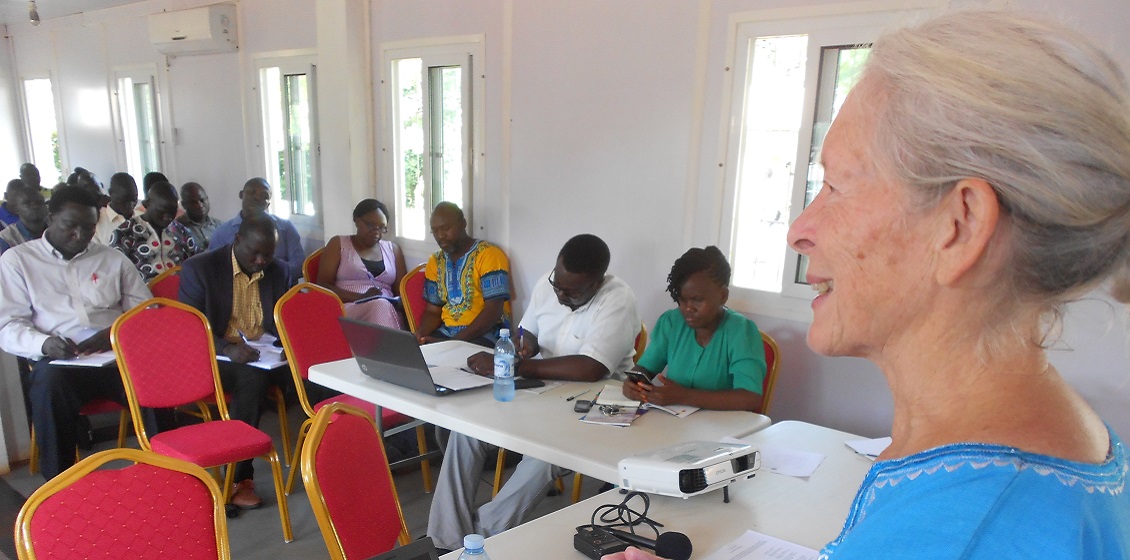
On a cloudy October Friday at Gulu University, a few dozens of Masters students from the Faculty of Business and Development Studies fill up a little shelter set up by the Building Stronger Universities (BSU) project for workshops and conferences. One group after another, from within themselves, they step forward to present their research works to a makeshift team of internal and external examiners. The audience includes their peers, their supervisors, and professors Inger Lassen and Iben Jensen from Aalborg University in Denmark.

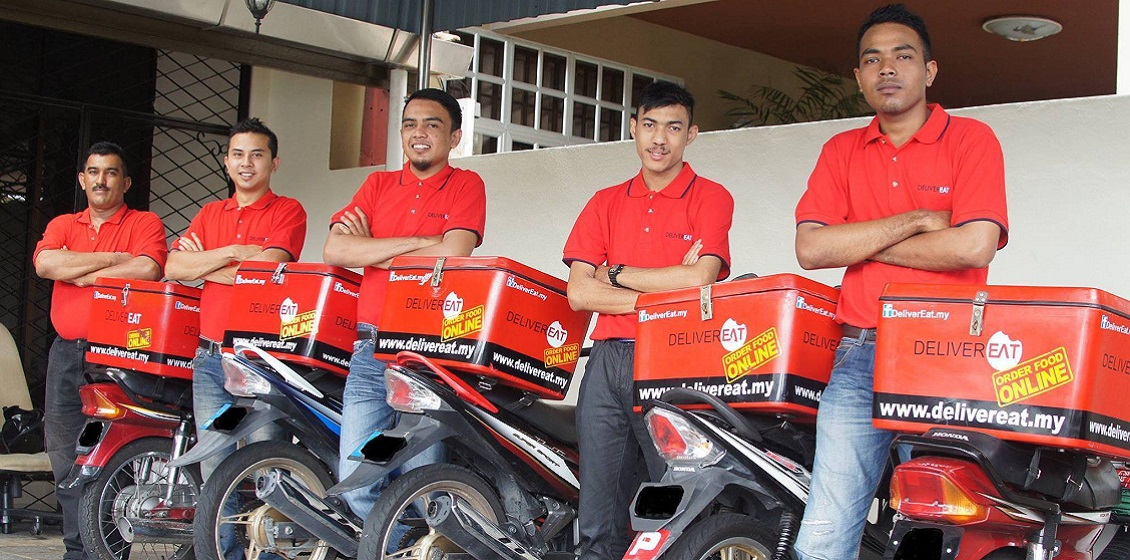
Good Gig or Bad Gig? A critical look into the phenomenon of the ‘Gig Economy’

The gig economy has emerged as a core theme to describe modern employment practices which have grown in prominence since the global financial crises in 2007-08. It is a broad term but, in its essence, it focuses upon work which generates income from the completion of short-term work. The term ‘gig’ is a slang word in which describes a job which is carried over a short period of time. The word gig can be ascribed to the sense of gig traditionally used to describe performances carried out by musicians and also entertainers.