Live webinar: “A Sustainable Holiday Season” Research and Practical Approaches Focusing on Food
 by
by When: Tuesday the 14th of December at 14.00 to 15.40 Where: Zoom, you will receive a link to the event after signing up The workshop …

Danish Development Research Network

When: Tuesday the 14th of December at 14.00 to 15.40 Where: Zoom, you will receive a link to the event after signing up The workshop …
Do you want to sharpen your skills as a science journalist working with the Sustainable Development Goals? Danish Development Research Network (DDRN) is currently mapping …
African universities are under significant pressure to show their relevance to a continent that lags behind in many aspects of human and economic development. Parents …
With the COVID19 pandemic gripping the whole world, it has changed the way we learn, work, and socialize. As we get used to living in …
The German Academic Exchange Service (DAAD) The DAAD is an independent organisation of German higher education institutions and their student bodies, devoted to internationalising the …
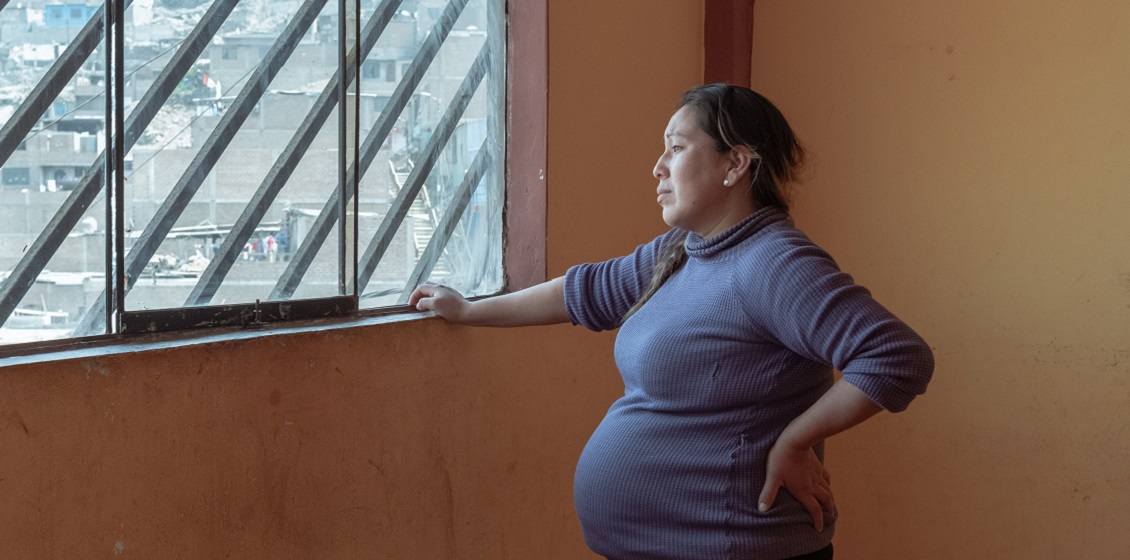
The consequences of the coronavirus in Peru go far beyond health and the economy. Female disappearances in the Latin American country have reached 11,828 in …
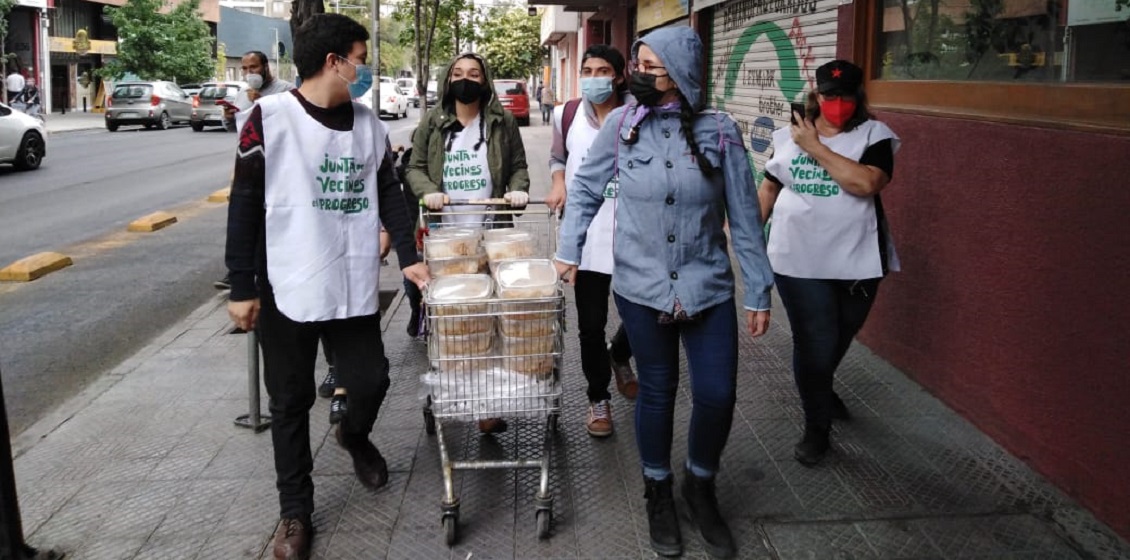
During 2020, due to the advance of COVID-19, people from popular neighborhoods in Chile have been organizing “Ollas Comunes” or “Soup Kitchen” as a way …
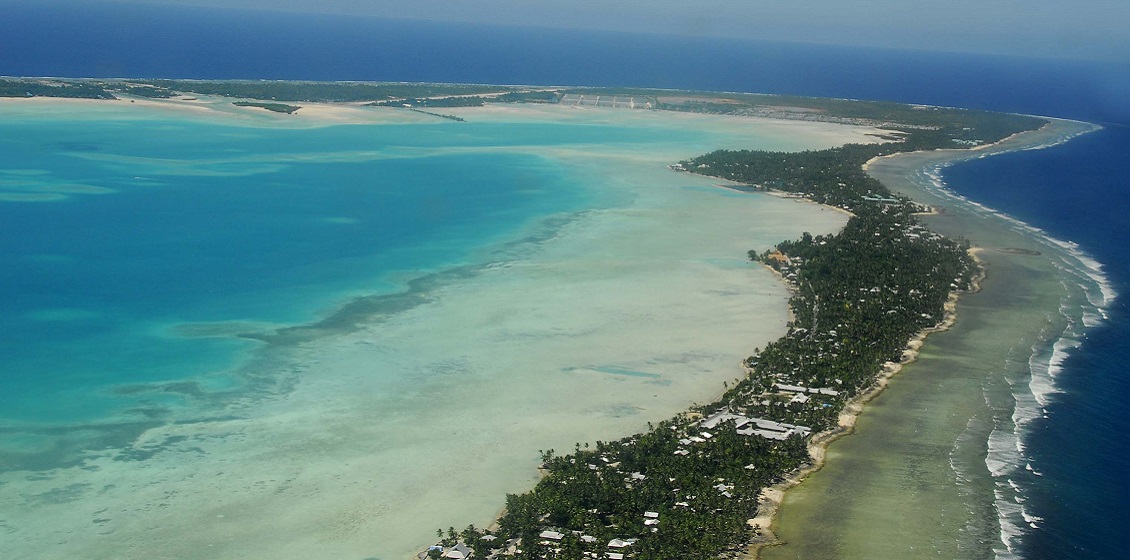
In this article I present my master thesis for the NOHA+ programme in International Humanitarian Action. My research covers three of the major challenges of …
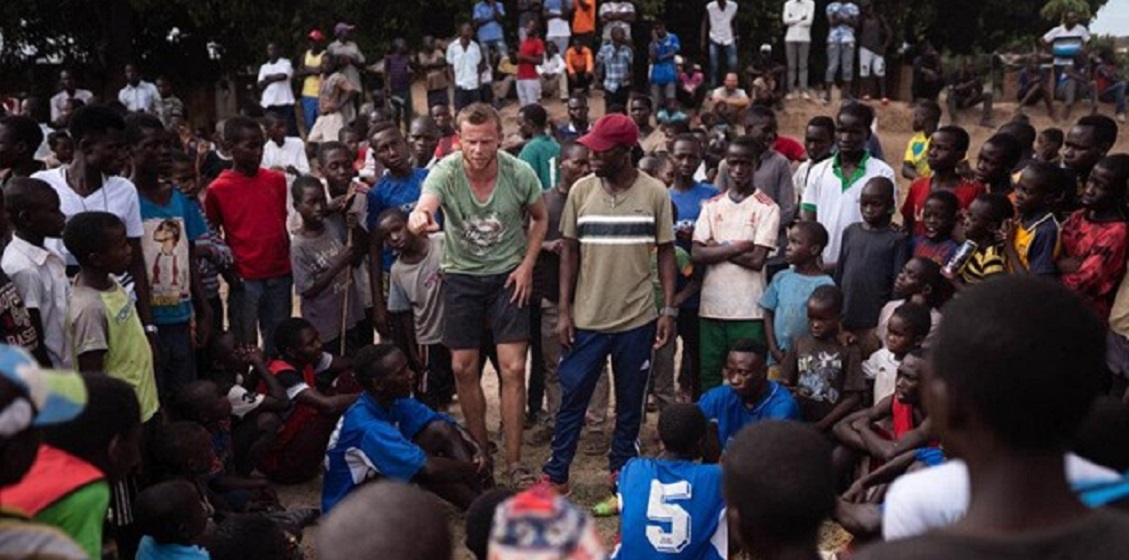
African footballers have always enthralled the English Premier League fans, but have you ever thought of the hardships that they had to endure to reach …
MUCED started activities in 2001, 20 years ago. What do different participants in the programme think of it? Does it have any impact today? Has …
 by
by 

 by
by