DDRN Seminar: Mutual South-North learning? Taking stock of development studies at Aalborg University
DDRN Seminar on Wednesday 14 February 2018, 19.00-21.00
Venue: Aalborg University, Rendsburggade 14, ground floor, room 4.105, Aalborg
Danish Development Research Network
DDRN Seminar on Wednesday 14 February 2018, 19.00-21.00
Venue: Aalborg University, Rendsburggade 14, ground floor, room 4.105, Aalborg
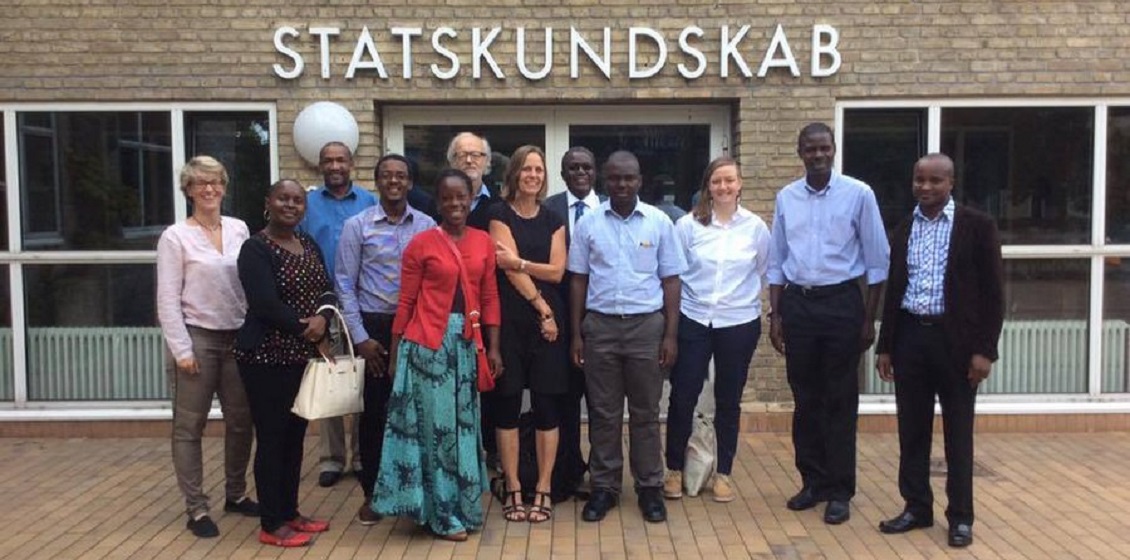
The 2030 panel, the Parliamentarians’ 2030 network, and the Parliament Committee on Energy, Utilities and Climate jointly organised what will become an annual multi-stakeholder forum on the 17 SDGs. Statistics Denmark builds capacity with national statistics departments in Vietnam, Philippines, and Ecuador to monitor SDGs,
There is no shortage when it comes to networks on development. DDRN will explore the various networks and what they can do for you. This post is an appetizer listing a few networks to be recommended.
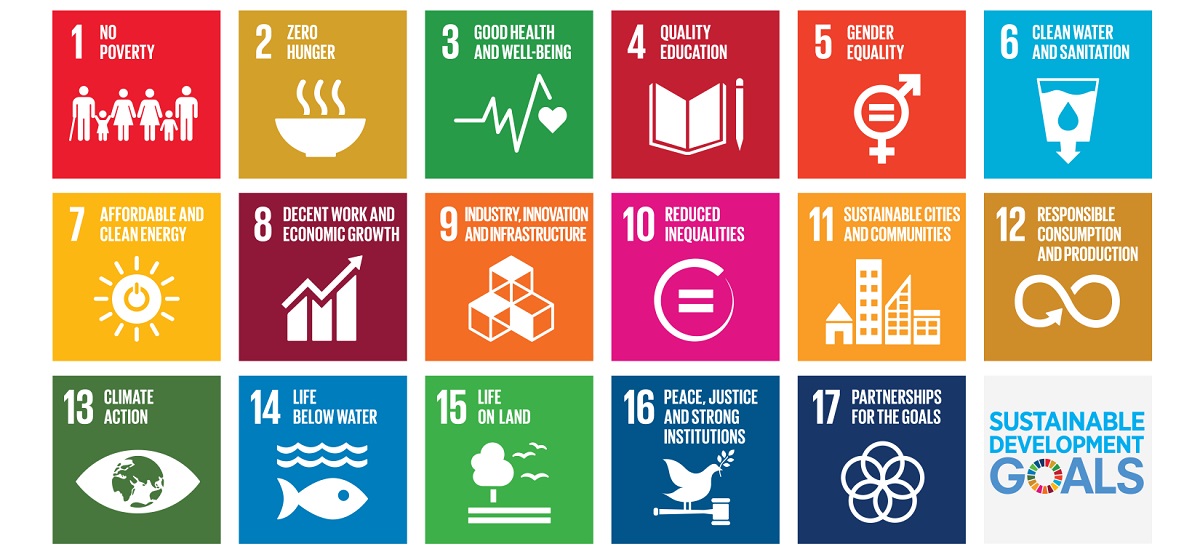
The UN 2015 Report Transforming Our World defines a set of Sustainable Development Goals (SDGs) to guide world development until 2030. The 17 SDGs are universal by definition. Private sector, public and civil society organisations worldwide refer to the SDGs. At ddrn.dk, the SDGs will serve as a basic classification when covering contributions of knowledge for sustainable development.
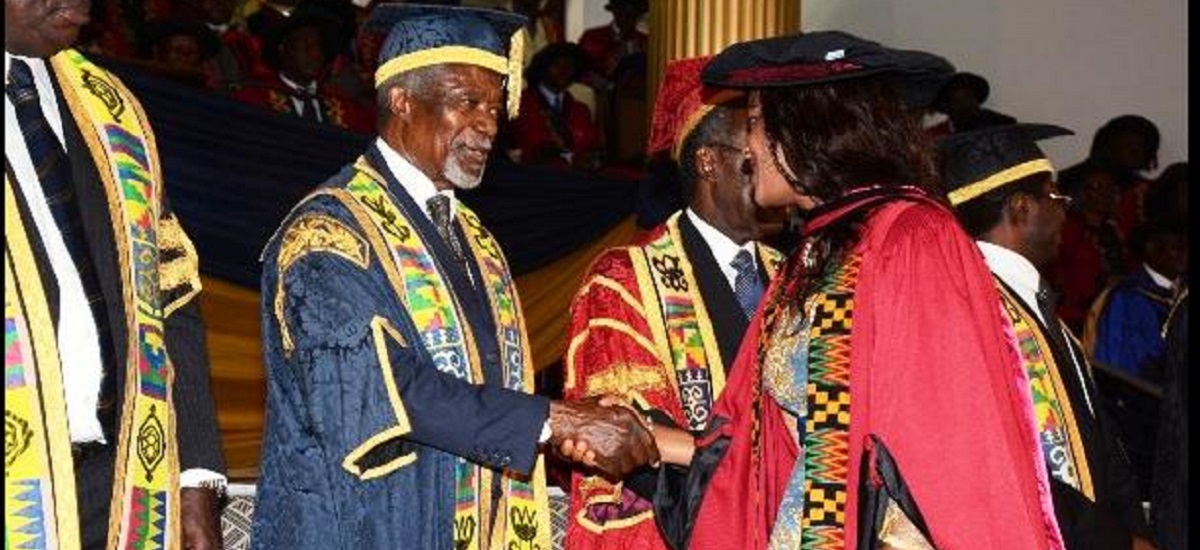
What is the outcome of research capacity development? Climbing the social ladder or making a sustainable difference. New research on individual work careers of Ghanaian academics draws a diverse picture. Former PhD students from University of Ghana, who became part of the Enhancement of Research Capacity (ENRECA) programme 1989-2009, were interviewed for the study.
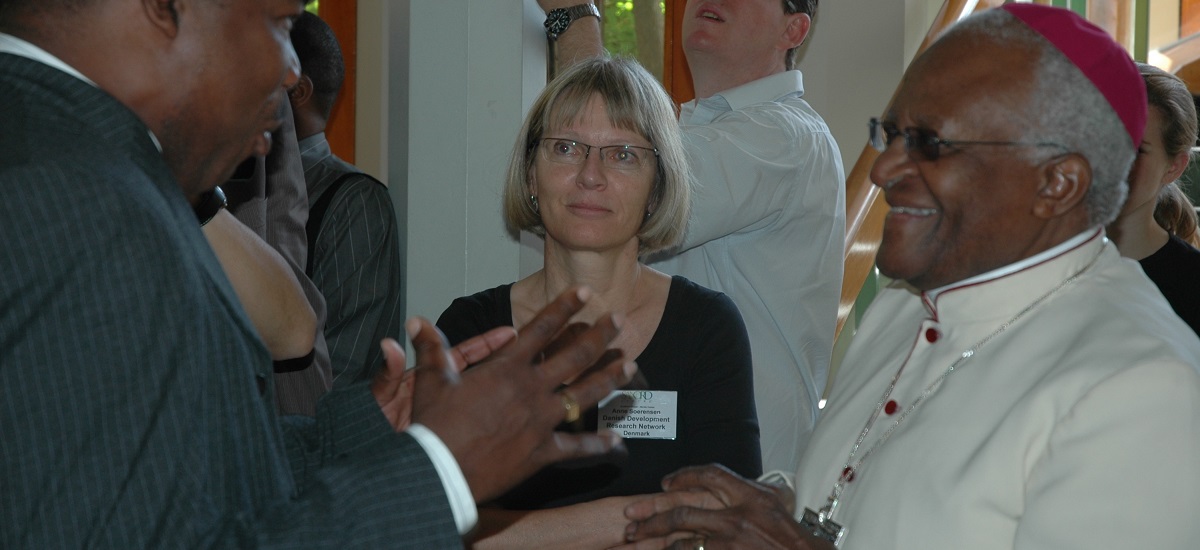
Non-governmental organisations (NGOs) make use of research findings when advocating program interventions and policy reform. Anne Sørensen, who was the Chief Coordinator of DDRN 2007-2011, tells about a few examples from her present work as the Programme Manager for Education in Oxfam IBIS, Denmark. Anne Sørensen feels that a thorough mapping of research practises and research needs of development NGOs would help to set research agendas.
In Spring 2017, Center of African Studies (CAS), University of Copenhagen organised a seminar to discuss how Africa is represented by media and non-governmental organisations. Stig Jensen, who is an Associate Professor at CAS and frequently appearing in media on African issues, shared his research findings on the media coverage in Denmark under the heading: Does Danish media prefer news from Africa that confirms a pessimistic perspective and what might be some of the reasons for this?
The centenary of the sale of three West Indian Islands by the Danish Government to the United States of America was marked in Denmark by a wide range of academic, cultural and artistic events. This post tells about the traces of slave trade in the built environment in greater Copenhagen, a contemporary art exhibition asking questions about identity and rights, and about a new research project comparing forced migration in the past and present.
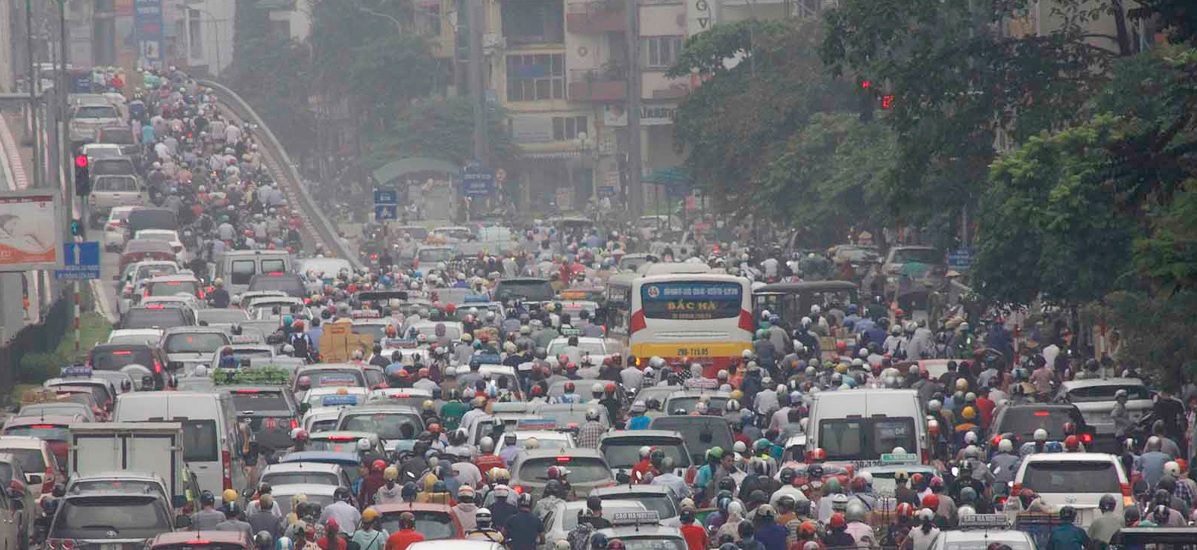
‘In Vietnam, people are more focused on economic development and do not take care about environment very much’, says Ngo Tho Hung, environmental scientist and Head of Environment Development Section (EDS) at Asian Institute of Technology in Vietnam (AITCV) in Hanoi, Vietnam. Ngo Tho Hung, who holds a PhD degree from Roskilde University in Denmark, is disappointed with the limited budgets allocated for scientific activities in Vietnam.
On 20 December 2016, Ms. Masheti B. Wanoyi defended her PhD dissertation ‘In Nairobi, they speak English’ ending a more than four years’ research process divided between thirteen months of field work in Kakamega, Kenya, and three years of analysis. In the process, she was being supervised by Professor Lisa Ann Richey and Associate Professor Bodil Folke Frederiksen at the Doctoral School of Social Sciences and Business, Roskilde University, Denmark. The defence was successful. Masheti B. Waynoi was confererred the PhD degree in Social Service.