
DDRN – Page 32 – Danish Development Research Network

From Primary School Teacher to PhD: Could Odama’s Thesis Be the Key to Correct Uganda’s Education?

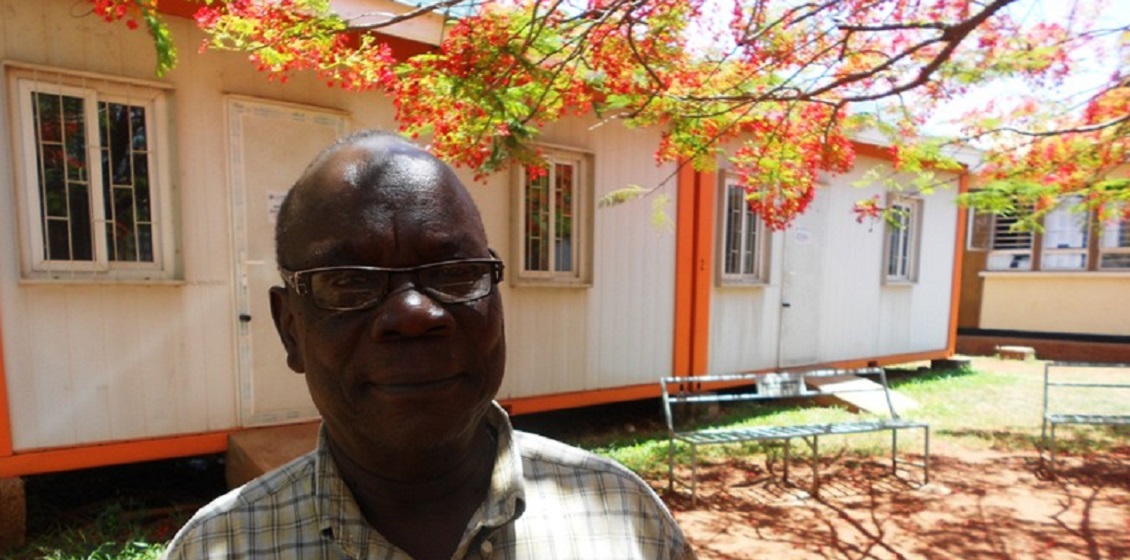
One of Uganda’s key concerns in education over the years has been the growing rift in performance between urban and rural schools. Primary and Secondary school grades in the national examinations largely tend to decline with distance moved from the country’s capital, Kampala. Solutions to bridge this gap and restore parity, however, could be in a book gathering dust in Gulu University’s library. Dr. Stephen Odama is fully aware that the knowledge in his PhD thesis could go unutilised, the way of most academic research in Uganda, unless there is publicity and awareness about his findings and recommendations.
“This is work in progress. I feel I just opened the door”

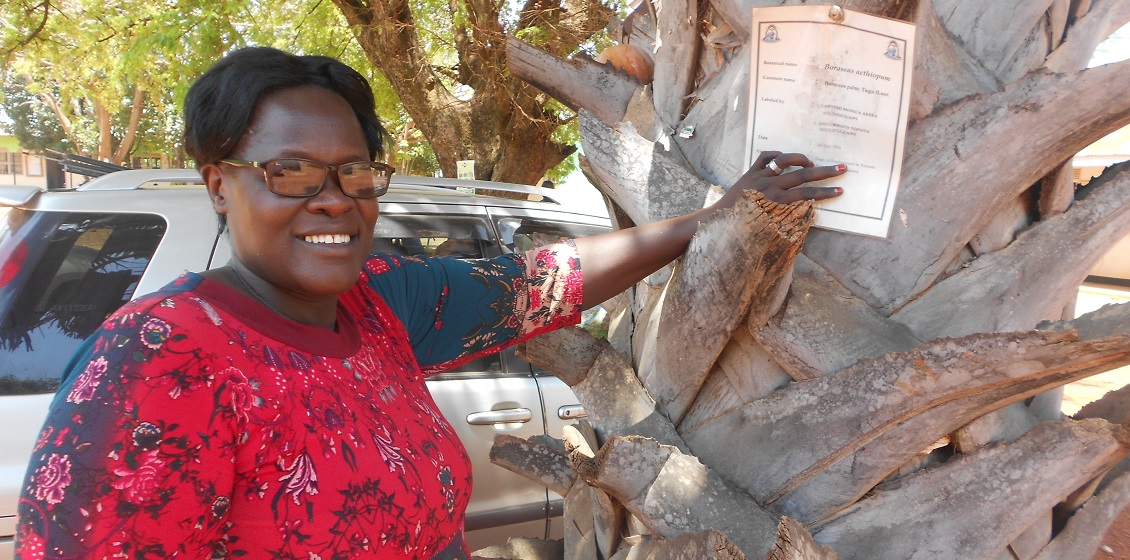
Dr. Christine Oryema’s experience studying in Denmark would be the envy of any Ugandan PhD student who does not get the opportunity to study abroad, especially in countries that provide an ideal study environment.
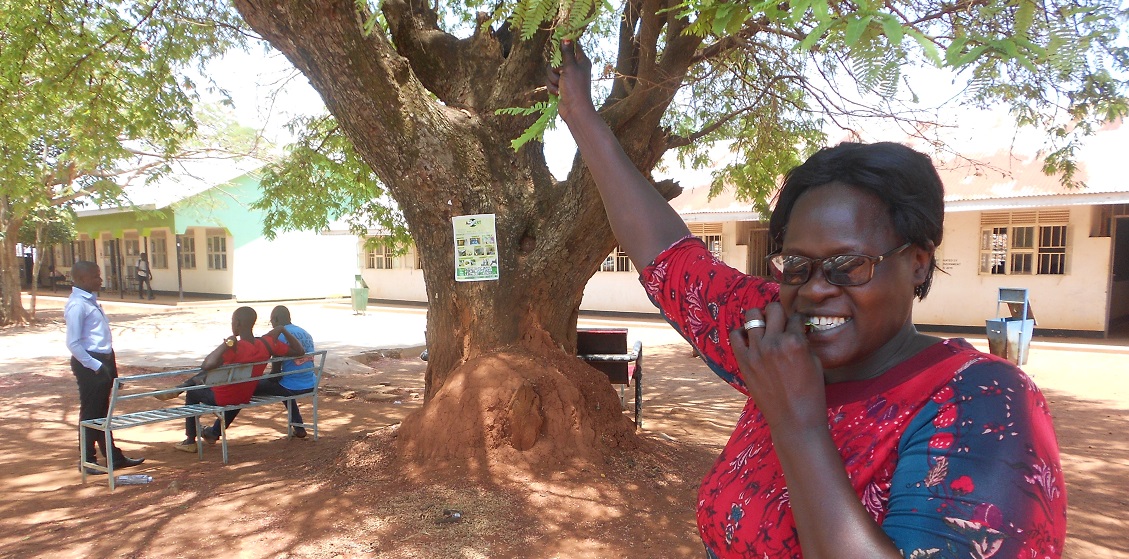
An ethnobotanist based at Gulu University, one of Uganda’s public universities, Dr. Oryema was among the beneficiaries of a PhD sponsorship through DANIDA’s ENRECA programme. This gave her the opportunity to spend more than 12 months of study time at the University of Copenhagen as part of her PhD programme.

DDRN/CMI seminar: South-North research cooperation at Aalborg University Copenhagen

The fourth seminar in the DDRN series on South-North research cooperation is co-organised with Center for Communication, Media and Information Technologies (CMI). It takes place at the Copenhagen campus of Aaalborg University. The key note presentation is by Idongesit Williams, Post Doc at CMI. Also, faculty of Department of Communication & Psychology and Department of Culture and Global Studies will present their experiences.

Oryema, the Woman of the Wild Plants

In 2010 Christine Oryema set out to do her PhD. She was, through the process, to find and document the diversity, uses and nutrient composition of indigenous edible fruit trees of northern Uganda, particularly in Gulu and Amuru districts. Although she later narrowed her study site to just six sub counties of Gulu, she found more disturbing questions beneath the answers she sought, leading her to conclude: “I think I have just brought out this area. It has not been studied.”