






Partnerships for the goals

Globalize the disciplines! Decolonize development studies!
https://ddrn.dk/wp-content/uploads/2021/10/DevRes2021cut.mp4 What is left of “development” with an ever-expanding development agenda through the SDGs? What does the expansion mean for our understanding of “development” and “development research”? These fundamental questions about the future of development research were addressed during the...
Read More
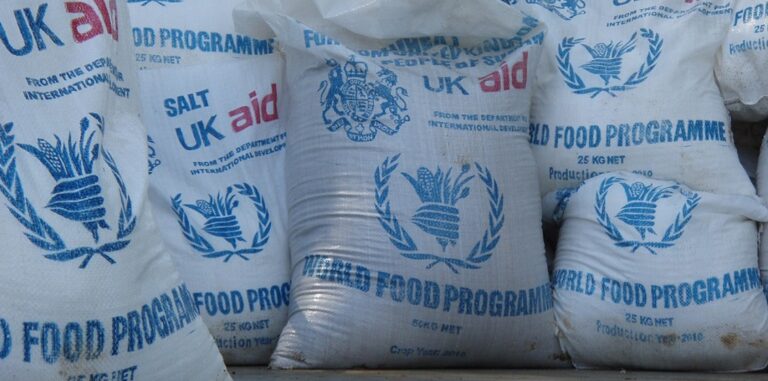
What will Covid-19 mean for the future of development aid?
Covid-19 is the single biggest challenge which has confronted the planet since the second world war and its effect has been nothing short of devastating. Millions upon millions have lost their lives, Livelihoods have been shattered as the global economy...
Read More
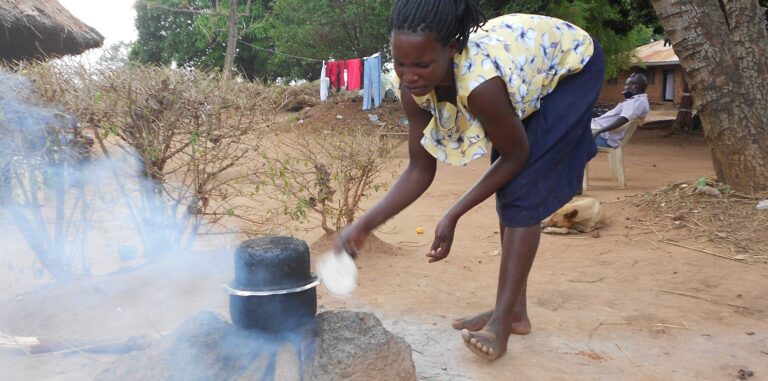
Green Charcoal: Could Research at Gulu University Ignite a Biomass Energy Revolution in Uganda?
On a quiet Friday evening in March, Miriam Ajak, 23, stoops over the traditional three-stone stove in front of her hut in Lawiyeadul village, Laliya Parish, on the outskirts of Gulu City in northern Uganda, to prepare dinner for her...
Read More
The German Academic Exchange Service (DAAD) research capacity programs
The German Academic Exchange Service (DAAD)The DAAD is an independent organisation of German higher education institutions and their student bodies, devoted to internationalising the academic system. Its guiding principle is “Change by Exchange” which not only refers to the students...
Read More

Leaving so many behind in the Covid-19 crisis
The Group of Seven (G7) - consisting of Canada, France, Germany, Italy, Japan, the United Kingdom and the United States - recently announced steps to globally facilitate “affordable access to vaccines, therapeutics and diagnostics” to minimize the risk of Covid-19...
Read More
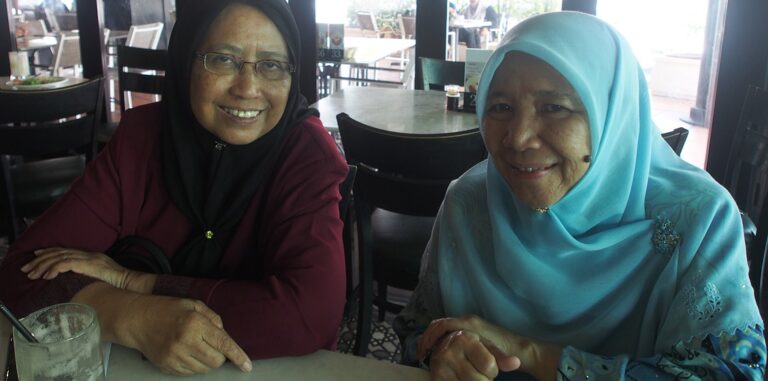
Malaysian University Consortium for Environment and Development – Industry & Urban Areas
MUCED started activities in 2001, 20 years ago. What do different participants in the programme think of it? Does it have any impact today? Has it changed their mindset or influenced their future career? We have asked different people involved...
Read More

AfricaLics (Part 1): South-North partnerships through the lens of AfricaLics
This is the first of two articles about the organisation Africa Lics (an acronym for African Network for Economics of Learning, Innovation, and Competence Building Systems), which is part of the larger network Globelics. Founded in 2012, the AfricaLics aims...
Read More
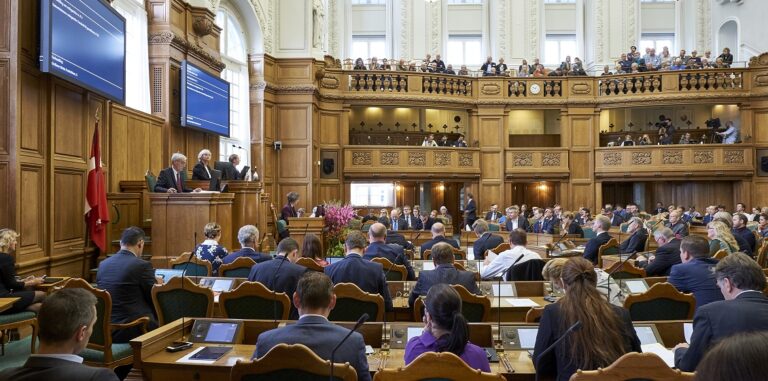
The new do-tank “2030beyond” aims to get the SDGs back on the political agenda
The 2030 Agenda, adopted by the UN Member States in 2015, is the most ambitious and important development agenda, the world has ever seen. However, five years in, the world is not yet on track to reaching the Sustainable Development Goals...
Read More
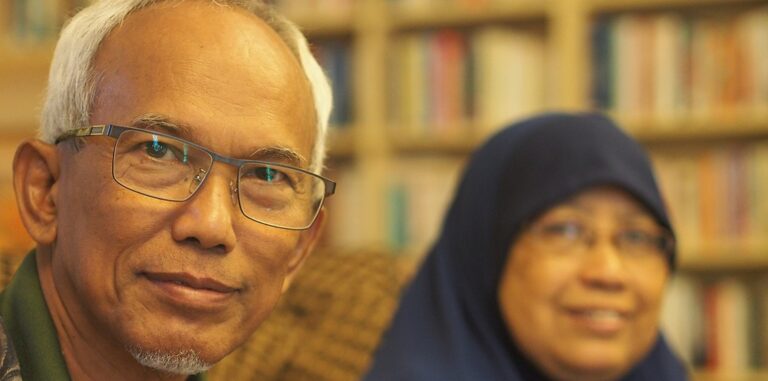
“MUCED should have been more ambitious”, says former MUCED coordinator Randolph S. Jeremiah
In August 2000, MUCED, a consortium of four Malaysian universities, was formed to encourage new interdisciplinary approaches to environmental management. The consortium was part of a project proposed and supported by the DANCED program of the Danish Ministry of Environment...
Read More
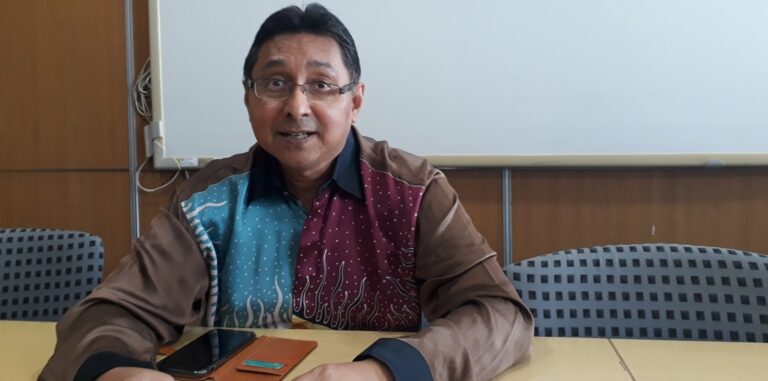
MUCED: Personal development, educational development at universities and practical environmental development in the Malaysian society
One of the first Malaysian students to benefit from the MUCED programme was professor Suhaimi Abdul Talib. In 2001 he went to Denmark to work on his Ph.D. project Anoxic transformations of wastewater organic matter in sewers – process kinetics,...
Read More
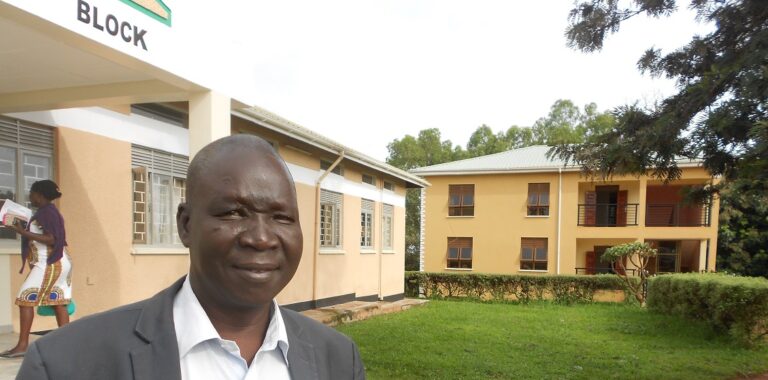
Gulu: When a PhD Student Investigates the Relevance of a University to the Neighbouring Community
When Asaf Adebua in 2017 started to study for his PhD at Gulu University 'The Contributions of Institutions of Higher Learning to Post-war Community Transformation: The Case of Gulu University in Gulu District', he was investigating the relevance of his...
Read More
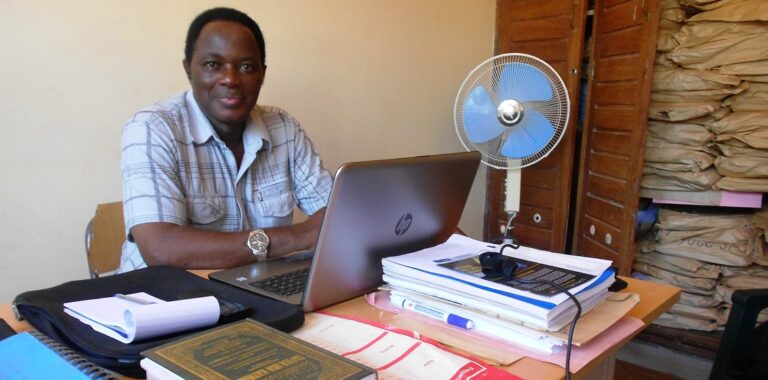
Ethnographic Research: One Man’s Long Journey to PhD
Sulayman Mpisi Babiiha’s PhD experience represents the epitome of perseverance of an academic. His account is touching, but because he speaks with so much calmness, I can take it in with some ease. He has been pursuing his PhD certificate...
Read More
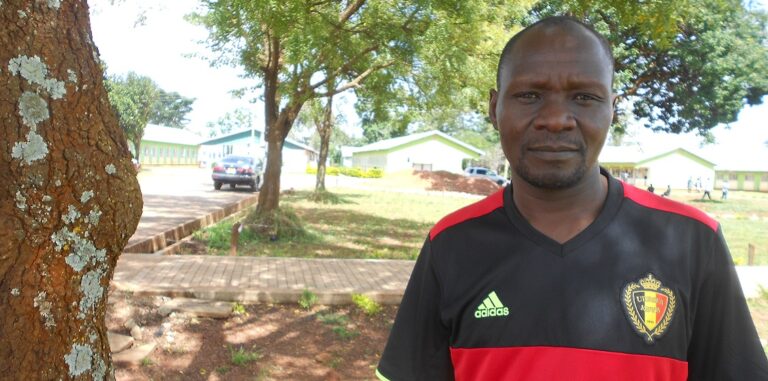
Blended System: E-Learning and Democracy for Education in Africa
Geoffrey Tabo Olok in 2016 enrolled at Aalborg University to study e-learning for his PhD. Olok and his supervisors now have their eyes on an ambitious plan to establish a centre of excellence in ICT research and learning not only...
Read More

“Public engagement”: New role for researchers in Kenya?
Some of Kenya’s most celebrated scientists and researchers congregated in a hotel in Nairobi, to celebrate the world anti-microbial week. Apart from the jaw breaking scientific recommendations that came at the end of the two-day event to research more on...
Read More

Food innovation for a sustainable future
It is becoming increasingly more evident that meat overconsumption is problematic due to various factors and there are direct consequences to the patterns of meat consumption in excess. I met with Ph.D. student Krishnachandra Sharma Hidangmayum, at University of Copenhagen...
Read More
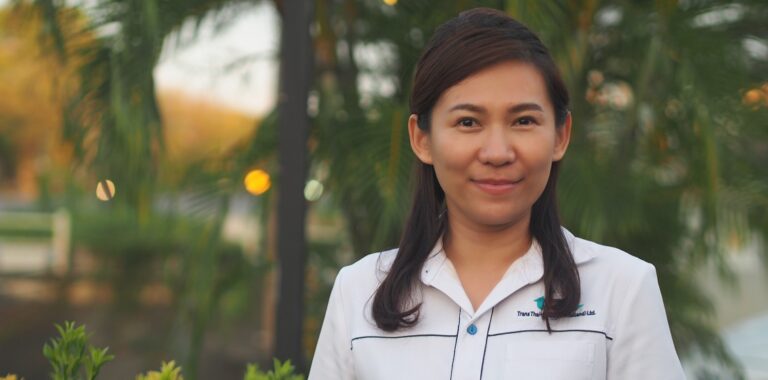
“I benefitted so much” – experiences from TUCED
In the beginning of the 21st century, the TUCED programme initiated exchange programmes for Danish and Thai master students. To Warisara Sereewatthanachai it meant that she could help bring new methods for substance analysis into the private sector in Thailand.
Read More
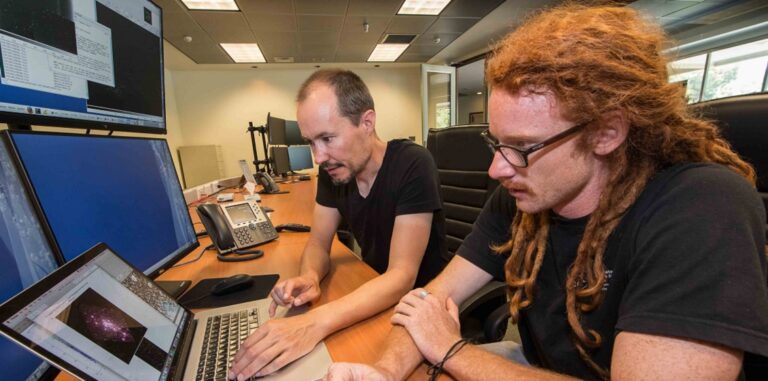
Same sky, different insights: Danish-Chilean research collaboration on astronomy
Chile has outstanding geographical and climatic qualities to do research in astronomy. Denmark has great resources and human capital to do cutting edge scientific research. Even though Chile and Denmark are 12.724 kilometres apart, if you look deeper, you can...
Read More

“I want to give back what I learned to our society”
When Dr. Norazana Ibrahim did her Ph.D. project at the Technical University of Denmark (DTU), she could confirm that agricultural waste should be an important energy resource in Malaysia. Now comes the difficult part of commercializing the technology in the...
Read More
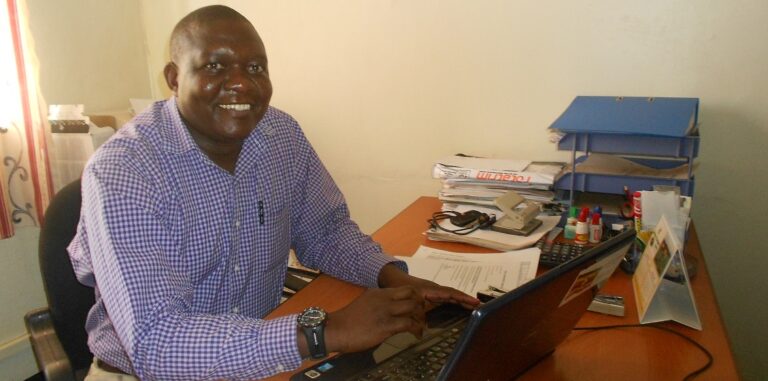
Mr. ENRECA and the Grant that Lifted Gulu University
In Gulu University’s history of nearly two decades, the story of ENRECA is told and retold with passion. The four-year Danish International Development Agency (DANIDA) funded 10 million DKK project was the university’s turning point in many ways: It delivered...
Read More