
Humans and Waste: Reconfiguring the city through recycling
 by
by For almost a decade, in the center of the city of Copenhagen, a community has established themself in the area of «Fredens Havn» (Port of …

Danish Development Research Network

For almost a decade, in the center of the city of Copenhagen, a community has established themself in the area of «Fredens Havn» (Port of …
One of the elements in MUCED was introducing Malaysian lecturers and students to new teaching methods. This introduction to group work and Problem Based Learning …
Talking about climate change on several levels and with different meanings – is something essential to Anni-Sofia Niittyvuopio (21), Head of the Youth Council of …
In recent years, fires in the Amazon Forest and in Australia caused worldwide dismay, showing how interconnected the globe is when we talk about climate …
In August 2018, the Danish Government presented a new official food and health strategy to oppose bad eating habits and reduce negative effects lifestyle diseases …
The 2030 Agenda, adopted by the UN Member States in 2015, is the most ambitious and important development agenda, the world has ever seen. However, five …
In August 2000, MUCED, a consortium of four Malaysian universities, was formed to encourage new interdisciplinary approaches to environmental management. The consortium was part of a project proposed and supported by the DANCED program of the Danish Ministry of Environment and Energy. Randolph S. Jeremiah became the Coordinator in the Secretariat of MUCED. In this interview he points to some of the key experiences. Today, Randolph works as Head of Water Resources at ERE, a Malaysian consultant company.
To talk about development is to talk about change. And along the notion of change comes the idea of ‘the new’. The notion of development goals for the future world has been around for quite some time. In this article we look at the contemporary notion of change and ‘the new’ in the region generally referred to as the ‘developing world’. This article specifically focuses on the rise of India as a ‘brand new nation, and how we went from talking about ‘developing countries’ or ‘Third World’ countries to ‘Emerging Markets’.
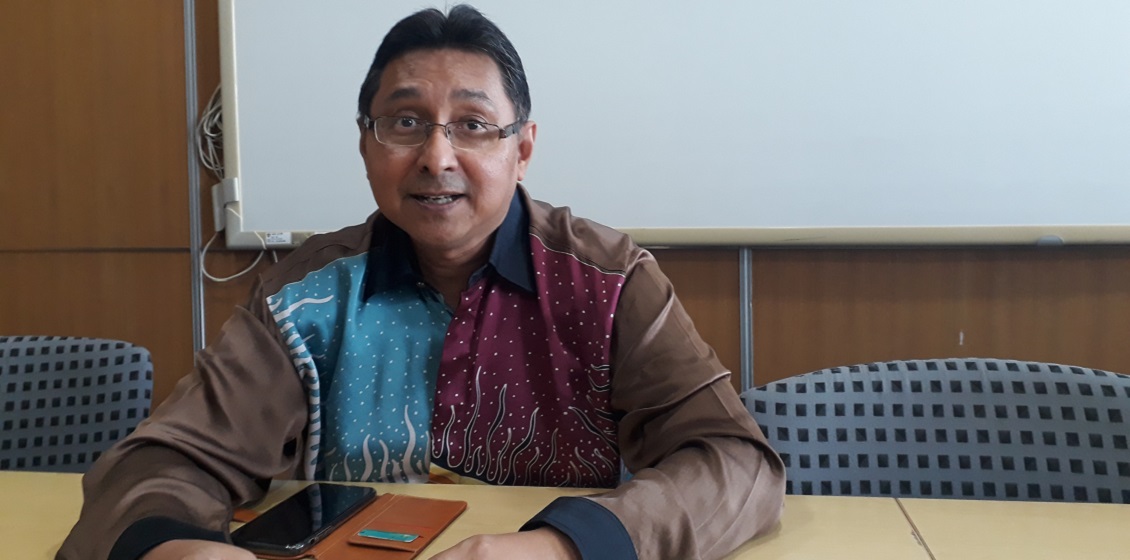
One of the first Malaysian students to benefit from the MUCED programme was professor Suhaimi Abdul Talib. In 2001 he went to Denmark to work on his Ph.D. project Anoxic transformations of wastewater organic matter in sewers – process kinetics, model concept and wastewater treatment potential. During two periods of three months, he had his day-to-day work in the laboratories of Institute of Environmental Engineering at Aalborg University.
It was a life changing experience to replace the warm climate of Malaysia to the more cool Scandinavian environment. When the Malaysian engineer Dr. Kumeresan did his Ph.D in Denmark, he benefitted on many levels, both professionally and personally.

 by
by 



 by
by