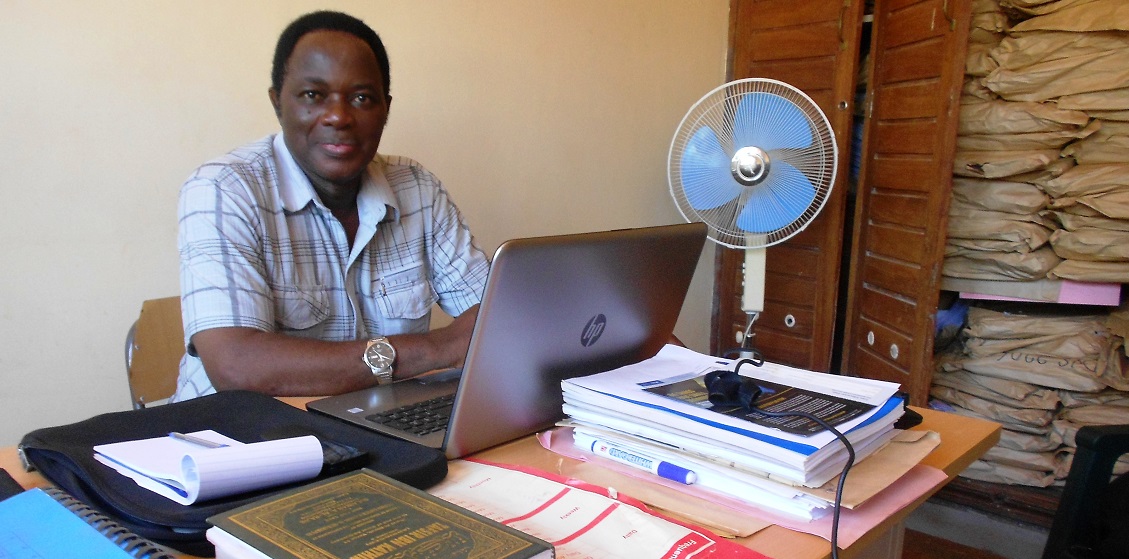
Ethnographic Research: One Man’s Long Journey to PhD

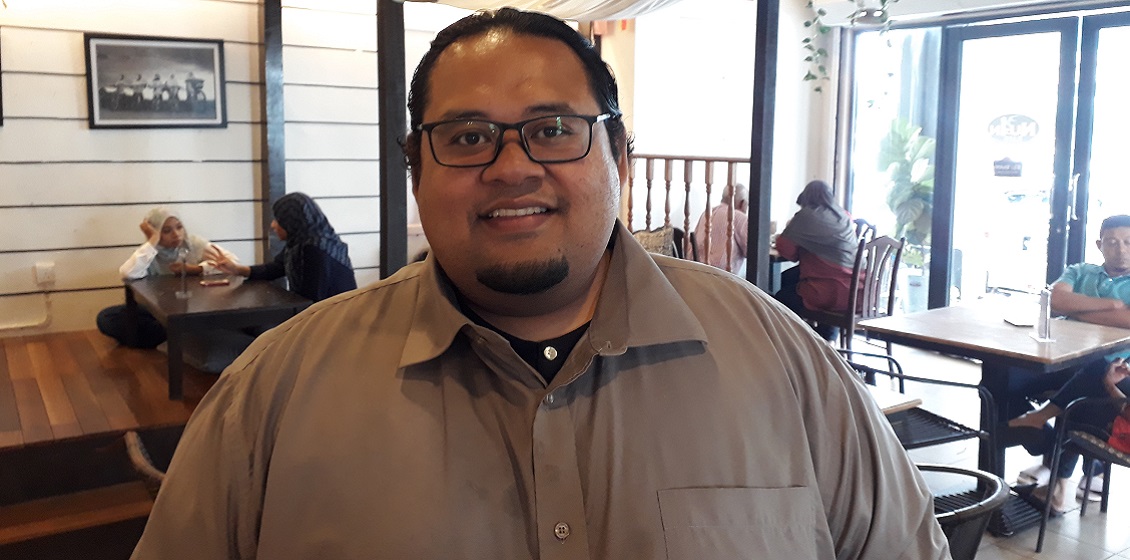
Sulayman Mpisi Babiiha’s PhD experience represents the epitome of perseverance of an academic. His account is touching, but because he speaks with so much calmness, I can take it in with some ease. He has been pursuing his PhD certificate for ten years and he won’t give up the hope yet.
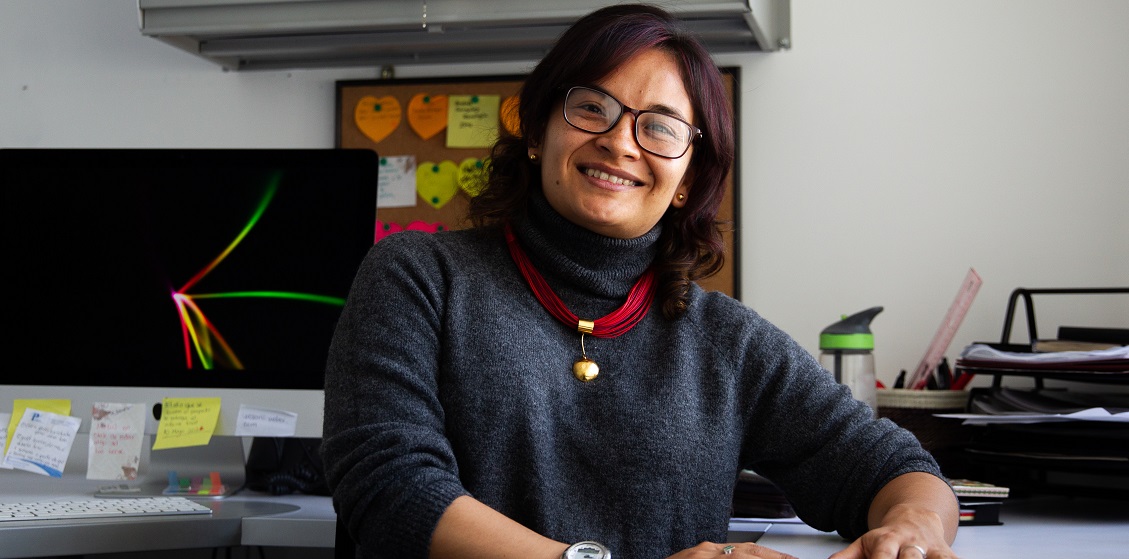
Thabit Jacob: Winners and losers in the green energy transition

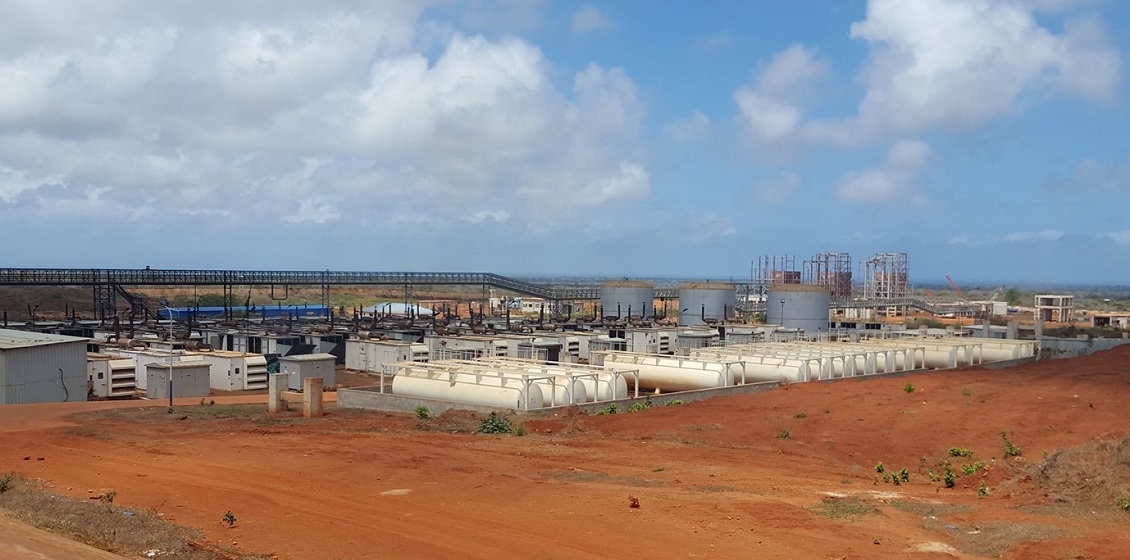
Achieving UN’s Sustainable Development Goals (SDG) requires careful attention to the risk of potential contradictions between the individual goals. For instance, how do we make energy both clean, affordable and accessible? Tanzanian Doctoral researcher Thabit Jacob’s scholarly contribution highlights the complexities of the global green energy transition. Especially the challenges in the sub-Saharan countries where most people are living without electricity.

Food innovation for a sustainable future

It is becoming increasingly more evident that meat overconsumption is problematic due to various factors and there are direct consequences to the patterns of meat consumption in excess. I met with Ph.D. student Krishnachandra Sharma Hidangmayum, at University of Copenhagen Department of Food Science, to learn about his insights in the subject and the work he has done to advance sustainable solutions in food innovation.

Same sky, different insights: Danish-Chilean research collaboration on astronomy

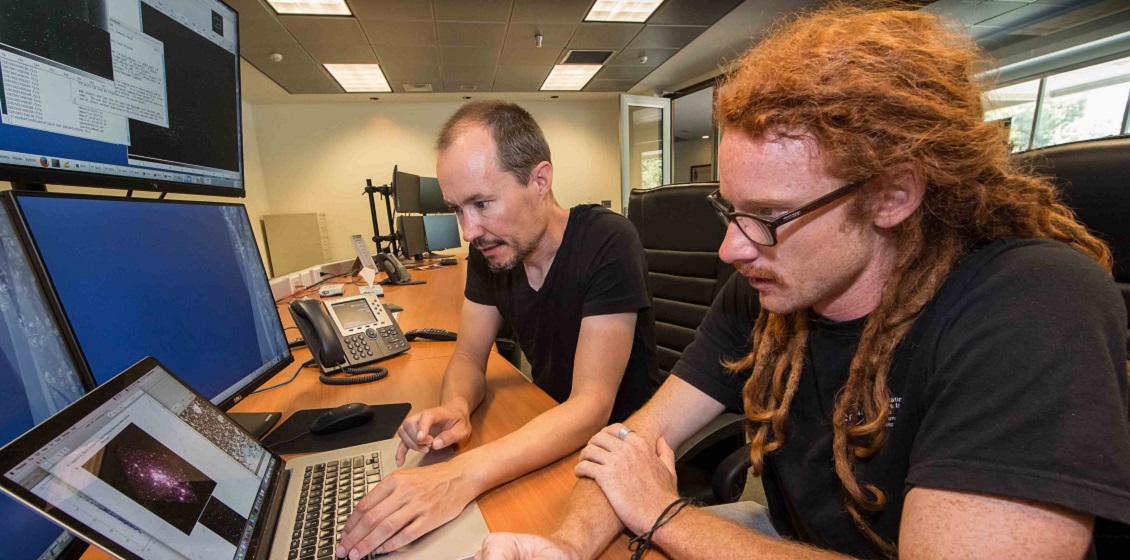
Chile has outstanding geographical and climatic qualities to do research in astronomy. Denmark has great resources and human capital to do cutting edge scientific research. Even though Chile and Denmark are 12.724 kilometres apart, if you look deeper, you can find great research and scientific collaboration between both countries.

“Our water depends on these places – and we still don’t understand well, exactly how”

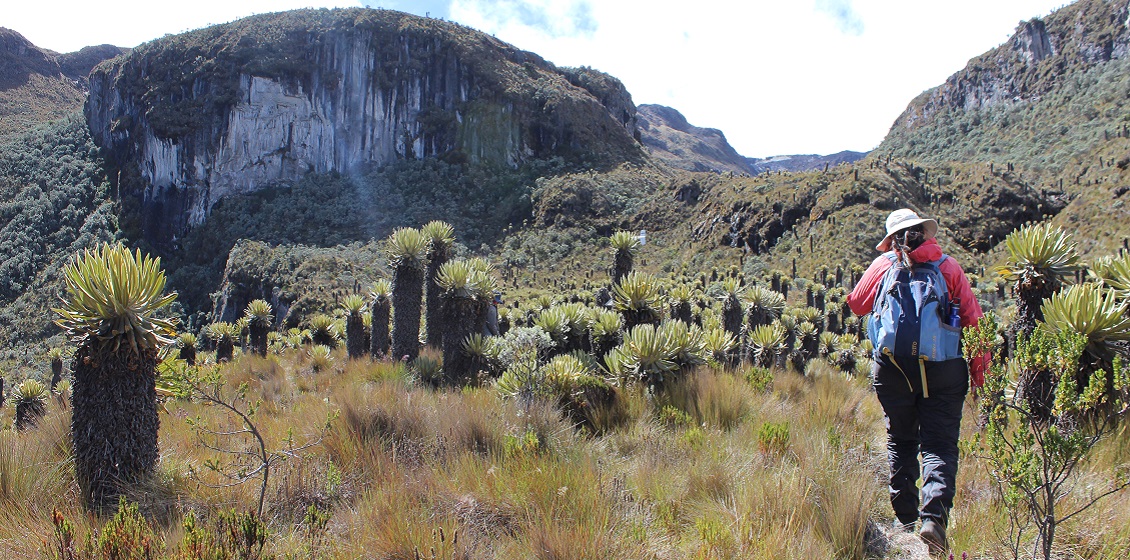
Maria Elena Gutierrez-Lagoueyte, a young ecologist, from the Colombian city Medellin, studies in detail the plants of the páramos (the moorlands). She studies the plants in order to understand how the unique Andean ecosystem plays a central role in the water cycle, providing the drinking water for around 40 million people in South America. But we do not know how exactly those moorland plants function.