 by
by COVID-19 may now feel like a distant memory for many Ugandans following the full reopening of the economy in January 2022, yet its impacts remain visible in the social and economic hardships they exacerbated. In northern Uganda, recent research from Gulu University shows that adolescents and youth were among the most affected.
The study, Consequences of the COVID-19 Pandemic for Youth and Adolescent Reproductive Health in Northern Uganda (CONSCOV), found that the pandemic and its control measures—such as lockdowns and prolonged school closures—increased the risks of sexually transmitted infections (STIs), unintended pregnancies, early marriage especially among girls, and gender-based violence.
Beyond these reproductive health impacts, the study also exposed underlying social issues that often go unnoticed, including the increasing vulnerability of boys and a widening parenting gap. The study found that many parents had stepped back from their roles, assuming that teachers were responsible for their children’s wellbeing since most of their time was spent at school.
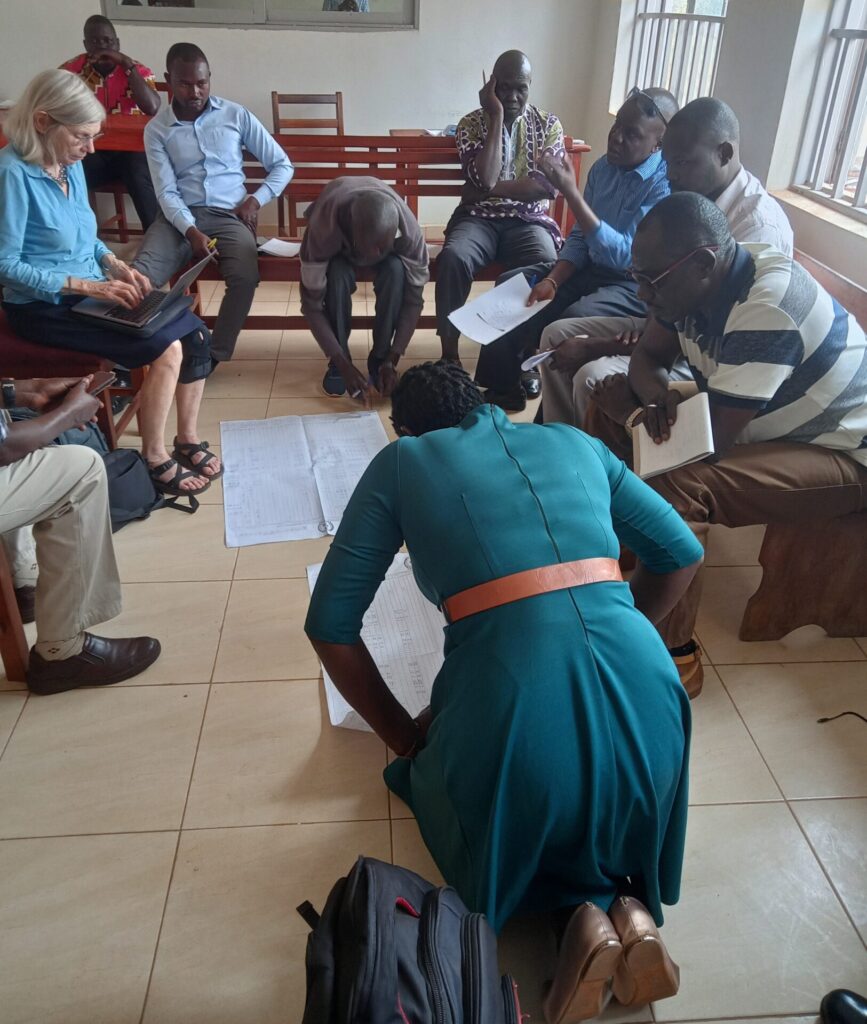
The study, conducted between April 2022 and March 2025 in Gulu City and in the refugee-hosting districts of Adjumani and Obongi, was carried out by a consortium led by Gulu University with the University of Copenhagen, Gulu Regional Referral Hospital (GRRH), and Reproductive Health Uganda (RHU). It was funded by the Ministry of Foreign Affairs of Denmark.
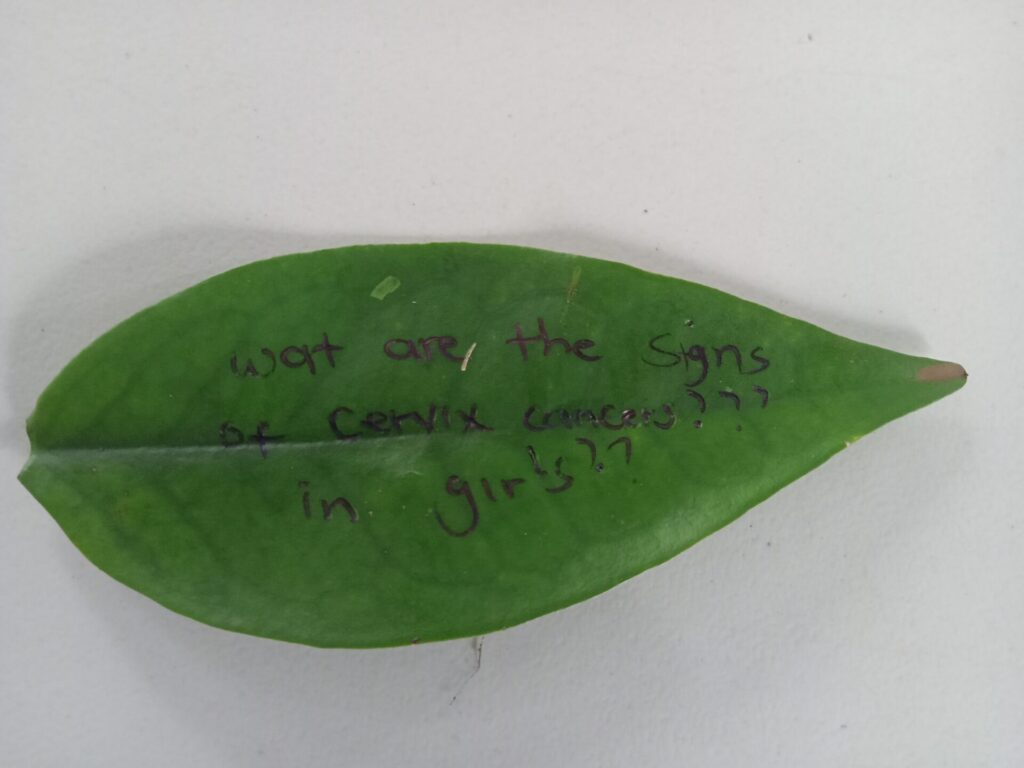
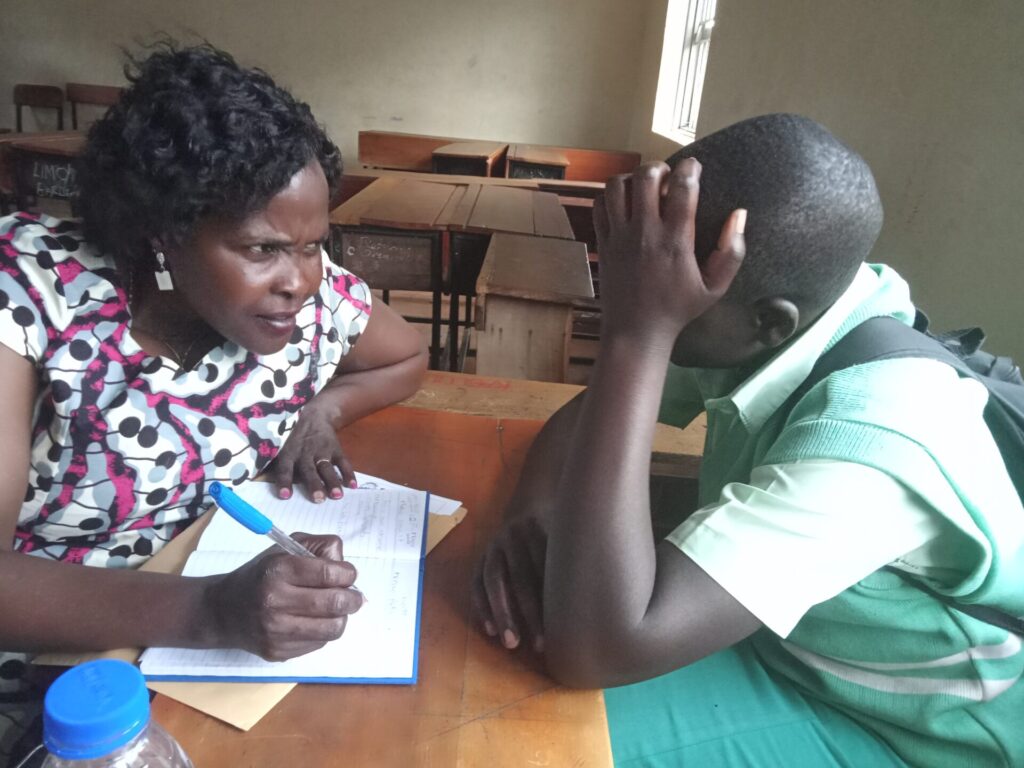
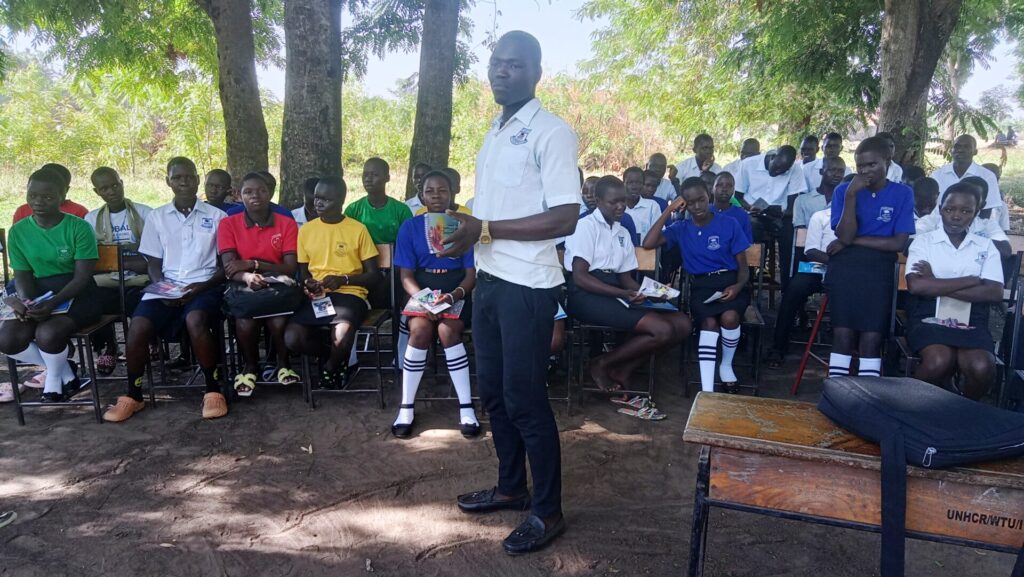
The study’s approach combined data collection with reproductive health education, counselling, and, in some cases, testing and treatment. These services were delivered by health professionals, with particular attention to vulnerable groups such as street children and sex workers.
“Uganda, like much of Africa, has a very young population. This research targeted young people and their reproductive health—an area that is often neglected. If we neglect their reproductive health, their future is doomed,” said Dr. Agatha Alidri, the Project Investigator (PI).
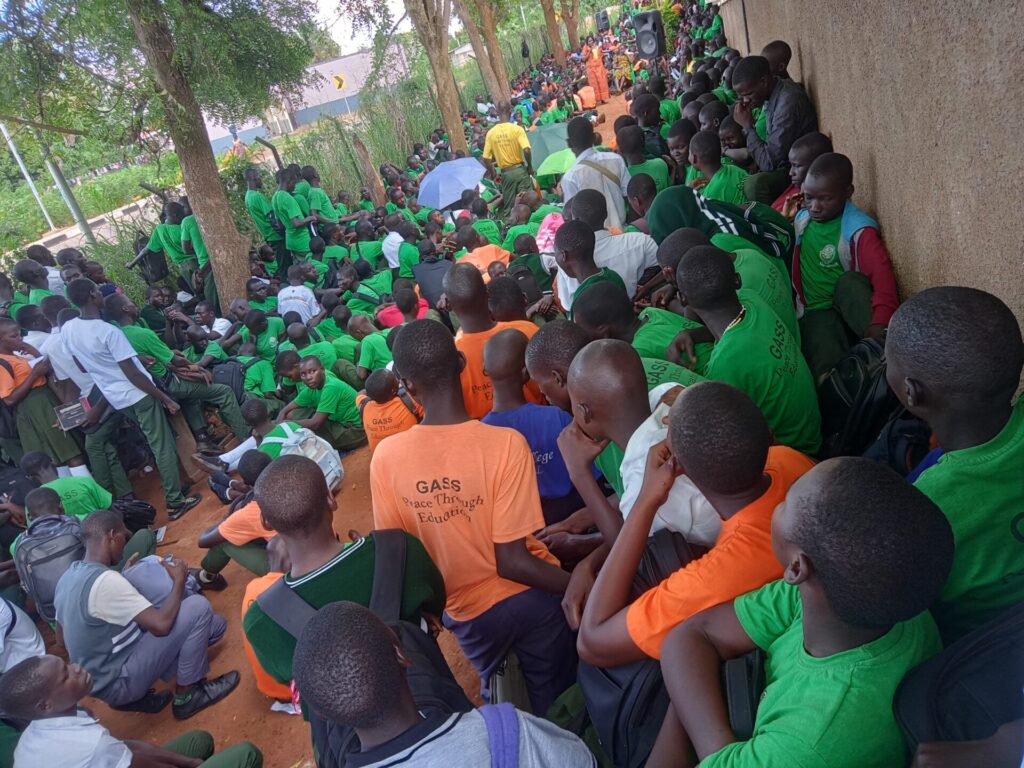
“We hit our target and went beyond it. We reached more than 6,000 adolescents and youth, including refugees. We engaged with 30 schools in the two refugee-hosting districts, yet our initial target there was only 10. The demand for CONSCOV services was overwhelming,” she added.
The findings:
Increased Fertile Ground for Infections
With schools closed, adolescents and youth who had previously been protected by structured learning environments suddenly had more idle time, fewer safeguards, and greater exposure to risky sexual behaviour. Economic hardships compounded this, heightening the risk of transactional sex.
Data from GRRH, for example, showed a steady HIV prevalence of 3% among individuals below 19 years in Gulu City from 2019 through the lockdown years of 2020–2021, before dropping to 2% in 2022. In Gulu District (rural Gulu), prevalence was 1% in 2019, then rose to 2% and remained steady through 2020–2022. It was, however, noted that most young people in that age bracket were not testing for HIV. In addition, movement restrictions during the lockdown prevented others from reaching hospital for testing.
That stated, statistics on pregnancy and abortion highlight increased unprotected sex, which raises the risk of STIs such as gonorrhoea, syphilis, HIV, hepatitis B, genital herpes, and human papillomavirus:
- The number of girls aged 10–19 years from Gulu District attending their first antenatal visit at GRRH rose from 1,122 in 2019 (pre-lockdown) to 1,150 in 2020, 1,261 in 2021, and 1,403 in 2022, before dropping to 1,019 in 2023.
- A similar trend was observed among women from Gulu District aged 20–24 years: first antenatal visits increased from 1,377 in 2019 to 1,477 in 2020, 1,597 in 2021, and 1,774 in 2022, before declining to 1,492 in 2023. This trend could mean that after the lockdown more girls were now able to access SRH services.
- Data from the RHU facility in Gulu revealed sharp increases in post-abortion care: from 1,051 cases in 2020, to 1,626 in 2021, peaking at 1,755 in 2022, before falling to 1,295 in 2023 when the country had returned to normal.
These figures, though alarming, tell only part of the story. Illegal and unsafe abortions remain common in Uganda, with many young people seeking post-abortion care only when severe complications arise. As a result, the true scale of unprotected sexual activity and its consequences during the lockdown years is likely much higher.
Gender-based violence
Gender-based violence—manifested in rape, defilement, incest, forced marriage, domestic violence, and other forms—was already widespread in the region, which continues to struggle with the legacy of a two-decade war that left communities fragile, with material losses, disrupted livelihoods, and deep psychological scars.
COVID-19 restrictions forced learners and their parents to stay home. Families lost income as jobs and businesses were disrupted, creating severe social and economic stress.
Communities reported increased GBV among adolescents and youth, driven by substance abuse (alcohol and illicit drugs), idleness, economic hardship, and weak parental supervision. Prolonged confinement also exposed young people to frequent parental conflicts and, in some cases, household violence.
Cases of defilement were reportedly very high but widely underreported due to stigma and, at times, parental preference for informal settlements, often involving payments from the perpetrator. Even so, despite movement restrictions, police records still captured significant numbers.
At Amuru Police Station, for example, defilement cases rose from 35 in 2019 to 57 in 2020 and 85 in 2021, before dropping to 58 in 2022—indicating increased rates during the lockdown years. While Gulu, Nwoya, and Omoro did not exhibit the same rising trend, their numbers remained high: Gulu recorded 102 cases in 2019, 84 in 2020, 71 in 2021, and 45 in 2022.
Domestic violence also surged during lockdowns, with both children and adults experiencing physical and psychological abuse. In Gulu City, for example, recorded domestic violence cases rose from 248 in 2020 to 407 in 2022.
Schools among hardest hit
COVID-19 disrupted Uganda’s school cycle for nearly two years, exposing learners, teachers, and school managers in northern Uganda to severe social and economic challenges. Many learners did not return when schools reopened, some teachers left the profession, and several schools did not reopen at all.
Urban schools experienced lower attendance after reopening, while peri-urban and rural schools reported increased enrolment. This shift was partly due to families relocating from towns, as sustaining urban livelihoods became difficult during the lockdown.
Learning loss was widespread. Many pupils reported forgetting previously learned content or struggling to comprehend new material. At Atede Primary School in Gulu City, for example, when learners were asked to complete the sentence “When I returned to school after the lockdown…”, more than 60 percent said they had forgotten what they had learned or now found learning difficult.
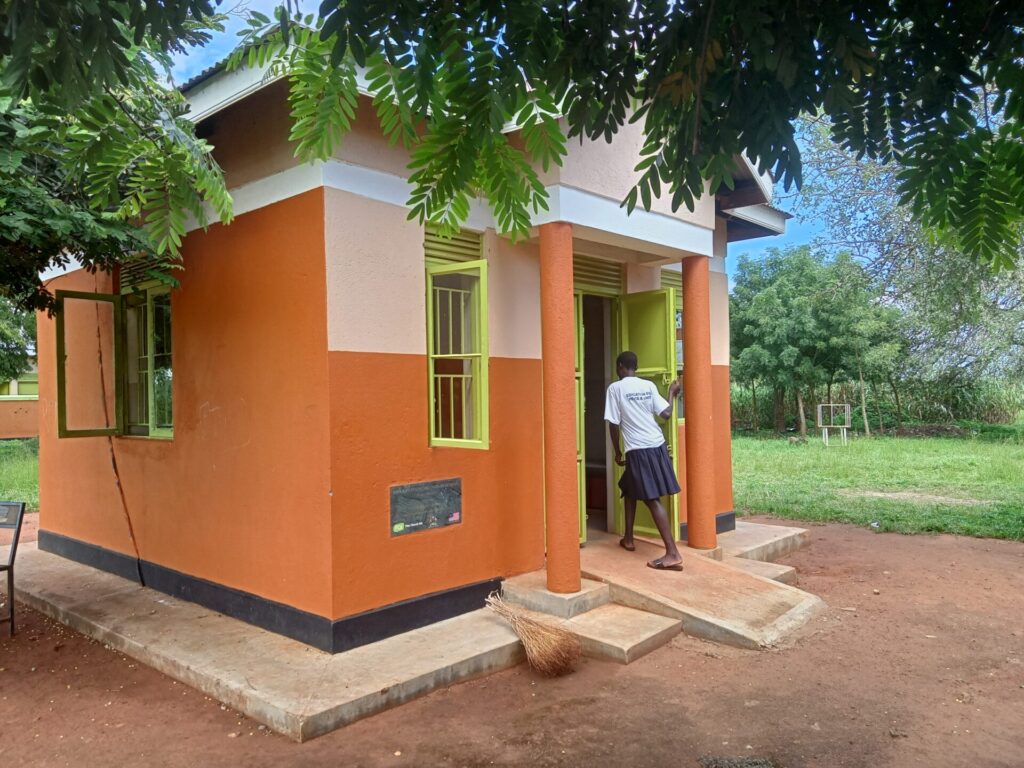
Early marriages and teenage pregnancies increased substantially. In refugee-hosting areas such as Obongi and Adjumani, some schools established breastfeeding corners to support girls who returned to class while nursing babies born during the lockdown.
School infrastructure—including buildings, benches, and tables—was vandalised during the prolonged closure. Many teachers turned to alternative sources of income, and some have since abandoned the profession entirely, opting to work in the informal sector as motorcycle taxi riders or roadside vendors.
Other key findings
Researchers also found that many schools lack the capacity—both in staffing and infrastructure—to provide adequate Sexual and Reproductive Health (SRH) education and support. This gap leaves adolescents and youth vulnerable to early pregnancies, unsafe abortions, sexually transmitted infections (STIs), and broader social risks such as school dropout, gender-based violence, child marriage, exploitation, and substance abuse.
The boy-child, traditionally regarded as the pillar of the household, now experiences harsher parenting, fewer educational resources, and limited emotional support compared to girls. Many boys struggle with self-expression, low self-esteem, and disengagement. While affirmative action for girls has been essential in addressing historical inequalities, it has unintentionally left some boys feeling unsupported and disempowered.
At Laliya Primary School, researchers observed that girls were significantly more expressive than boys during an open interaction with Upper Primary learners. More than 20 girls actively participated by answering questions or making comments, whereas only one boy spoke, even after extensive prompting.
Out of the 50 schools visited, the only exception was Pagirinya Secondary School in Adjumani, where boys demonstrated confidence and participated equally with girls. According to the Refugee Desk Officer for Adjumani, Mr. Titus Jogo, this was partly due to the presence of many partner organisations implementing activities in the Pagirinya settlement. The school is easily accessible as it sits just a few metres off the Atiak–Adjumani road.
The study further revealed that many adolescents and youth avoid health centres because of rude or insensitive behaviour from health workers. As a result, they turn to informal sources of care, including drug shops and herbalists. Health workers who participated in the research acknowledged that the training and experience gained from working alongside university researchers had transformed their approach to service delivery.
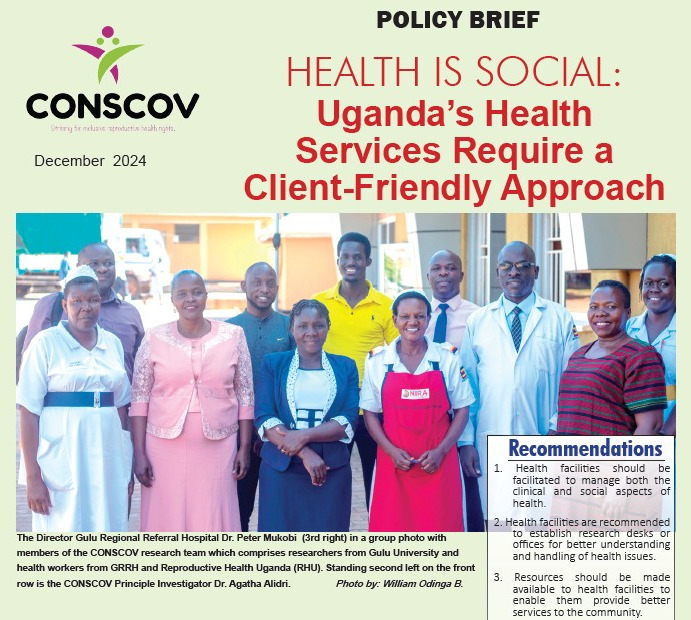
“I have learnt that it is not the number of patients that matters; it is the quality of the service. We have learnt to give time to clients. We have learnt to go deeper into the problem of the patient. We have learnt to critically listen to them,” said Richard Musasizi of GRRH, as quoted in a policy brief by the research team titled “Health is Social: Uganda’s Health Services Require a Client-Friendly Approach.”
The researchers are now publishing a series of policy briefs to communicate these findings, offering recommendations that span family, community, and school practices, as well as national policy reforms in health and education. Their broader message is a call for collective action at all levels of society to safeguard the well-being of adolescents and youth. The full set of policy briefs will be accessible through the Building Stronger Universities (BSU) website in January 2026.
William Odinga Balikuddembe is a science journalist based in Kampala, Uganda, and the Chairman of Uganda Science Journalists’ Association (USJA).