
DDRN – Page 30 – Danish Development Research Network

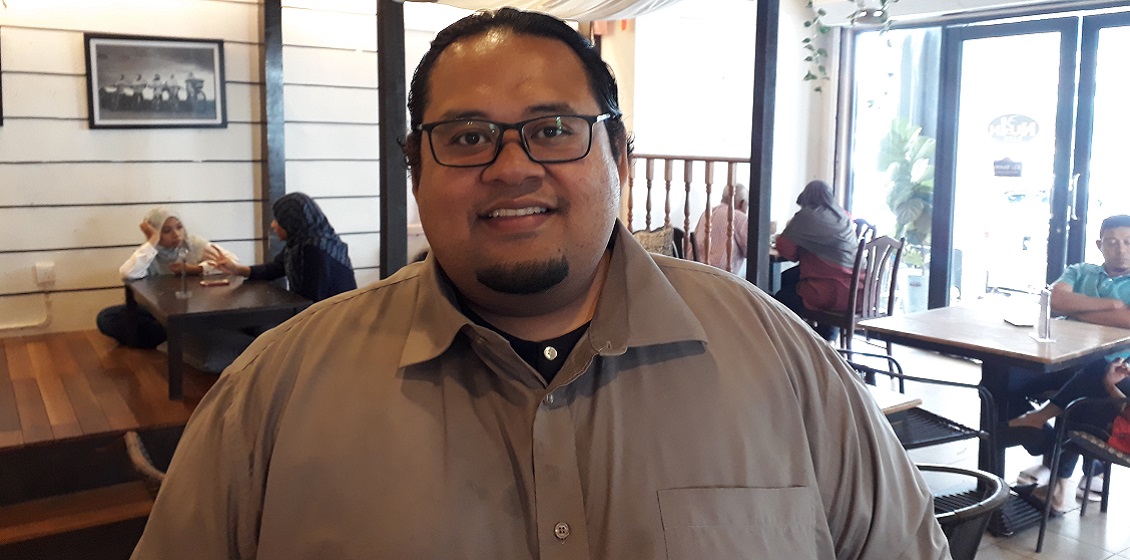
Being a Quilombola farmer and being considered a drug dealer

In November 2019, I was In Uppsala for the ELLS Student Conference (see article), organized by Swedish University of Agricultural Sciences in Ultuna campus. On the second and last day of the conference, I went to Danilo Crispim Massuela’s poster presentation. I like poster presentation, because the atmosphere is more familiar since you stand all around the poster and the presenter.

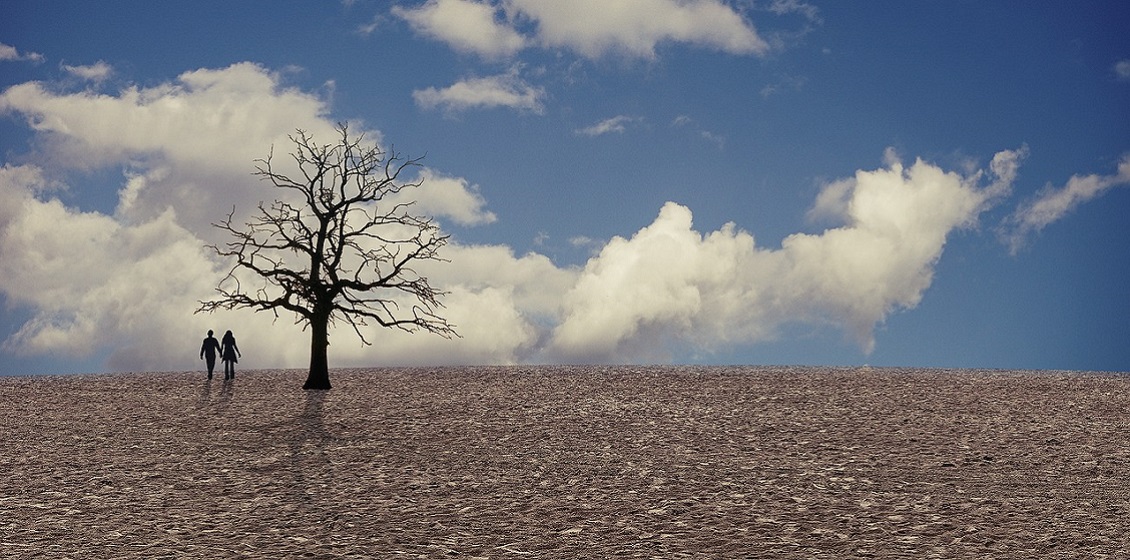
The Unbearable Lightness of Spacetime

The third prize in the DDRN Essay Competition for University Students 2019 was awarded to Andrea Palessandro, Physics, University of Southern Denmark. The Assessment Committee wrote: “Very well written, and structured to make an exciting essay, which potentially will address a wide audience…The topic is not for everyday consumption, rather it calls for extended contemplation during a Sunday afternoon.”

Does climate change put our morning cup of coffee at risk?

The second prize in the DDRN Essay Competition for University Students 2019 was awarded to Athina Koutouleas, Geosciences and Natural Resource Management, University of Copenhagen. The Assessment Committee wrote: “A very well written essay focusing on the reader throughout the story…Relating to an everyday situation really works well…The relevance of the research project is presented without drowning the reader in facts and figures…The final sentence effectively encourages the reader to reflect.”

“People expected political transformations and democratisation in a second”

In September 2018, Mostafa Shehata defended his PhD Dissertation: “Newspaper and Social Network Sites in Egypt After the 2011 Revolution: Connective Action, Communication Power and Mediatization of Politics”, at Roskilde University (RUC) in Denmark. He concluded that “media can provide a good space for mobilisation for a specific amount of time. But in the long run, you will need strong presence ‘on the ground’, and organisations to support your mobility and your movement”.

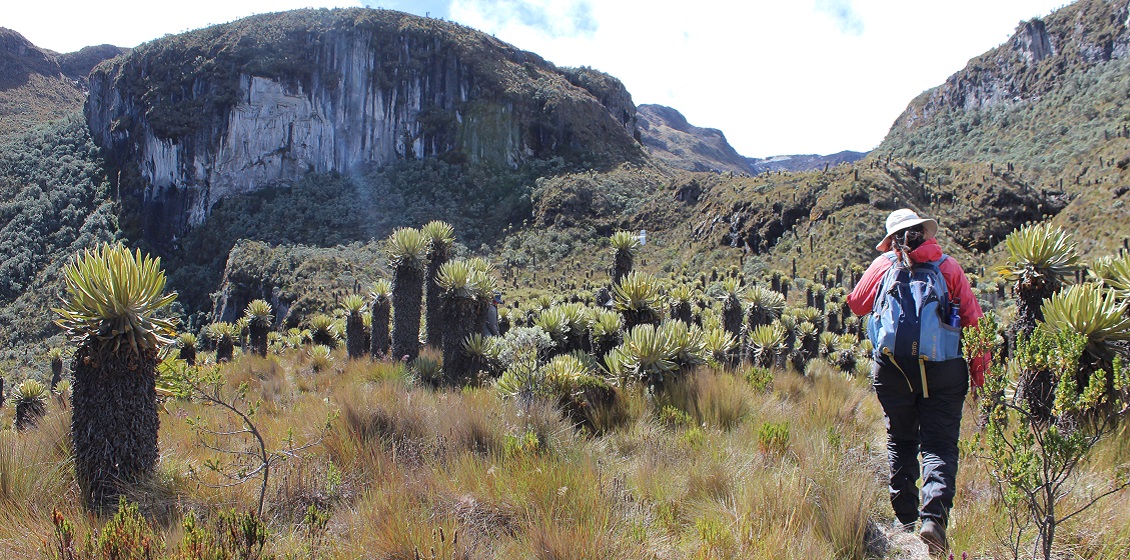
“Our water depends on these places – and we still don’t understand well, exactly how”

Maria Elena Gutierrez-Lagoueyte, a young ecologist, from the Colombian city Medellin, studies in detail the plants of the páramos (the moorlands). She studies the plants in order to understand how the unique Andean ecosystem plays a central role in the water cycle, providing the drinking water for around 40 million people in South America. But we do not know how exactly those moorland plants function.