Crisis of Ethnicity: Understanding Uganda through a Tribe Lens

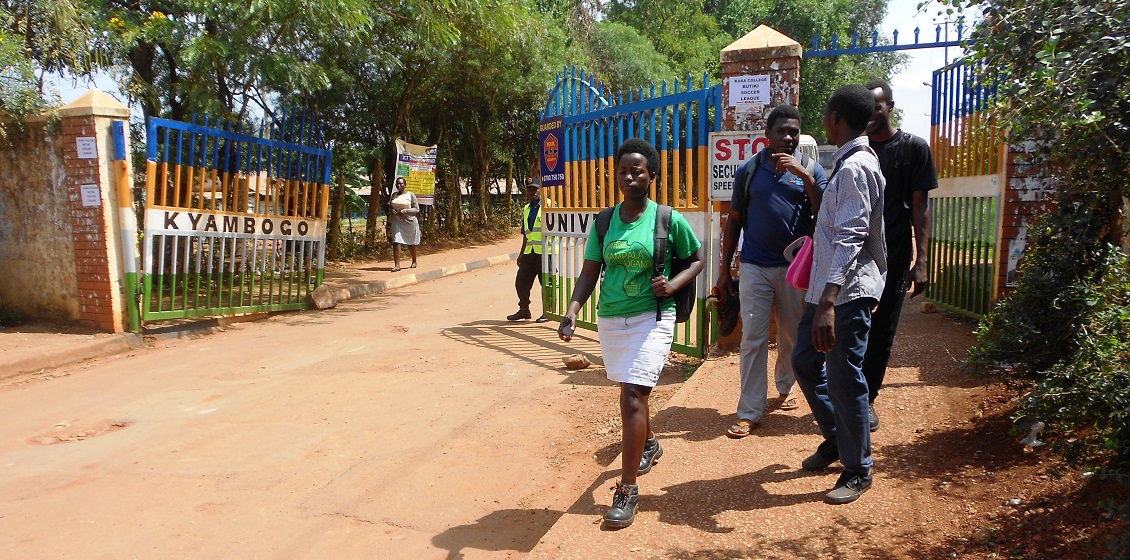
Many Ugandans are quick to identify themselves by tribe – 56 tribes there are in total. They like to describe themselves, and are also often described by others, as humble, welcoming and peaceful but Uganda’s political history hardly reflects the peaceful part. When I visit Associate Professor Charles Amone on a July afternoon, Kyambogo University is in recess so it is generally quiet. His reflections paint a picture of a country less united than the world may be led to think – a crisis that fuels inequality and conflicts from within.

A Glass Ceiling for Global South Researchers

“My life has almost become pinned to the University of Copenhagen, so even if I don’t continue from here, I would have to collaborate with them. Because of their advanced expertise. Especially the Global Health [department] has a lot of expertise”, says 25-year-old Ghanaian, Richard Sena Otio, who has just finished his master’s degree study in Global Health from University of Copenhagen.

Kenya: The troubles of a science PhD from the West

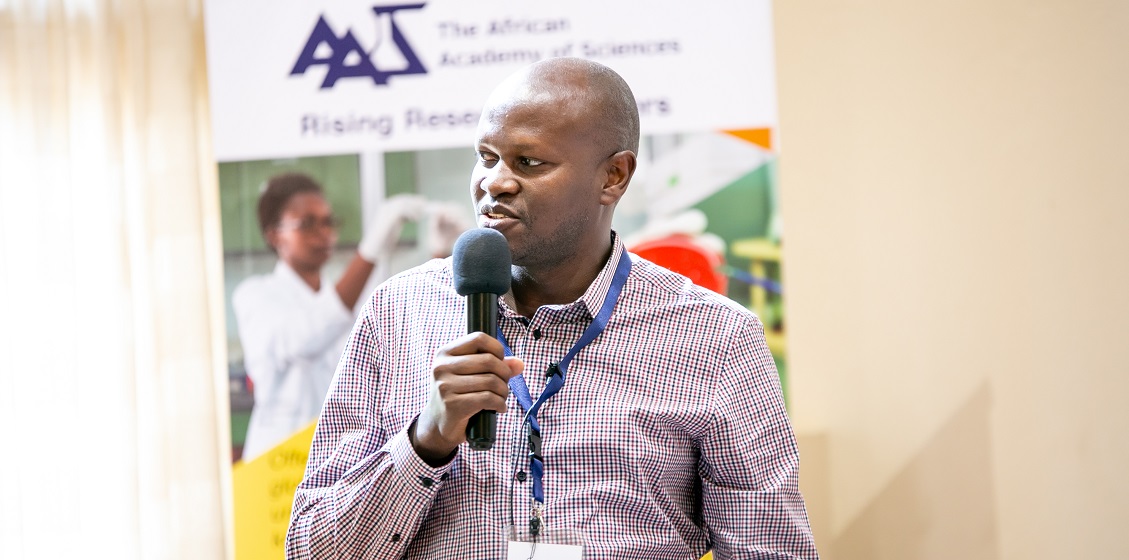
Graduate students of the London School of Economics and Political Science gathered at Kenya’s coast in September 2018, where the Secretary-General of the United Nations Conference on Trade and Development (UNCTAD) Dr Mukhisa Kituyi told them: “With your international credibility, it is easier and tempting to leave and take out of the continent the little intellectual resource that could solve problems their countries face.”

Blockchain backing transparency?

Corruption represents a major obstacle in reaching the Sustainable Development Goals. The activity hampers economic growth and increases poverty, depriving the most marginalised groups of equitable access to vital services such as healthcare, education and water and sanitation. Development practitioners should now start to modernise their approach to preventing petty corruption from hindering their agendas and look towards new technologies.

Hall of Shame?

Hijacked journals and predatory publishers are phenomena facing the aspiring researcher in the South and North alike. Which are the pitfalls? Is Open Access a cause or a remedy? You are invited to take a stand in the controversy about these ‘by-products’ of universities’ pressure on faculty staff for increasing scientific publication.

Driving Tanzanian ‘Sayansi’

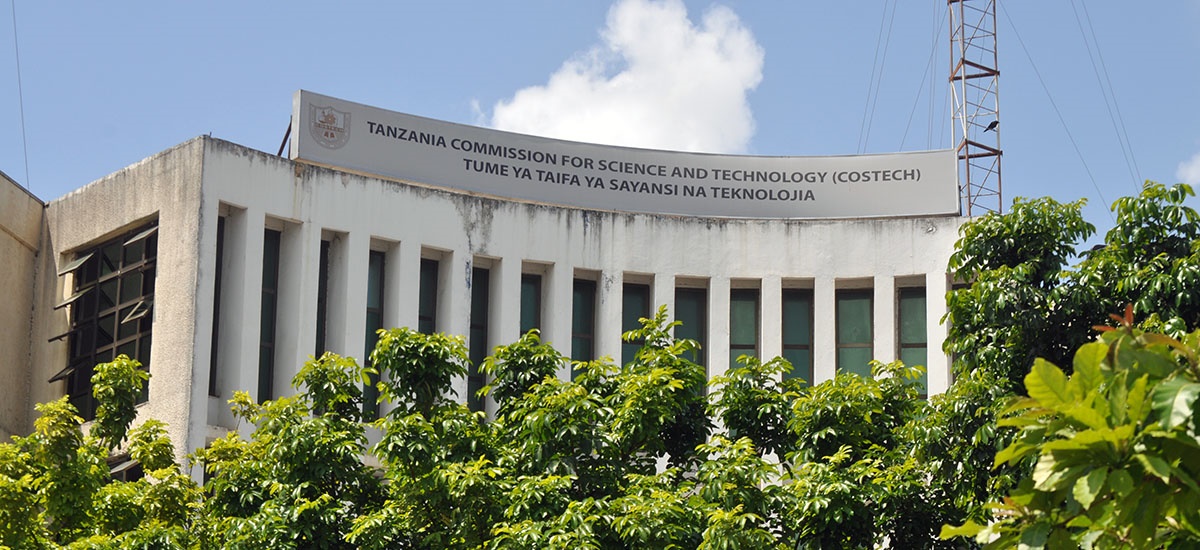
The tall building, which accommodates the Tanzanian Commission for Science and Technology (COSTECH), is popularly called ‘Sayansi’ – a simplified swahilification of the English word for science. COSTECH is a parastatal organisation with the responsibility of co-ordinating and promoting research and technology in Tanzania, including international cooperation. It is thus also the Tanzanian counterpart for the South-Driven Development Research Projects administered by the Danish Fellowship Centre (DFC) and funded by the Ministry of Foreign Affairs of Denmark.

Research for advocacy

Non-governmental organisations (NGOs) make use of research findings when advocating program interventions and policy reform. Anne Sørensen, who was the Chief Coordinator of DDRN 2007-2011, tells about a few examples from her present work as the Programme Manager for Education in Oxfam IBIS, Denmark. Anne Sørensen feels that a thorough mapping of research practises and research needs of development NGOs would help to set research agendas.

Sour grapes

DANIDA’s grants for development research were re-opened in 2017. The shortlisting of applicants invited to submit a full application was communicated early June 2017. For Window 1 applications, the expected success rate reached an all-time low, as only 4 % of a total of 205 concept notes submitted will receive a grant, i.e. 7-8 projects.