 by
In the text below we will refer to a specific incident that happened in Greece (the Tempi train crush) and how it invokes a very important conversation on human rights and the youth’s protection. That conversation will help showcase the insecurity in people’s futures in the Global South.
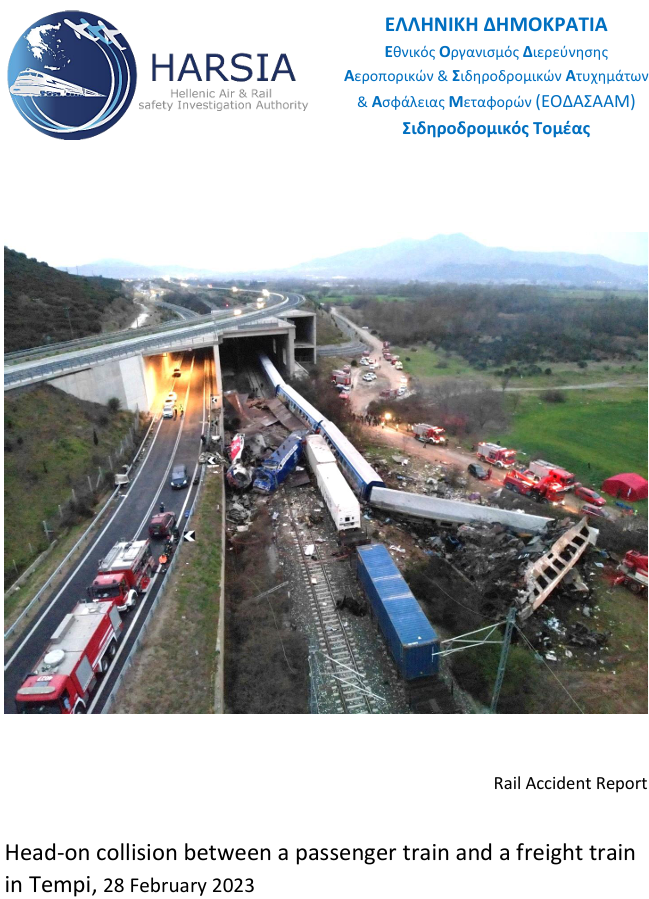
The train crash in Greece on February 28 2023, killed 57 people, mostly students. The trial of 36 defendants is ongoing amid public outrage and courtroom tensions. The collision wasn’t caused by human error but outdated infrastructure, and systemic failures, including malfunctioning signals and mismanaged track switches.
This crisis shows how young people are forced to inherit the dangers of decisions made by older generations. The younger generation, so often called “lazy”, “weak” and uninvolved in their future have been trained to believe their involvement changes nothing. Across the Global South, the same pattern repeats: rail, power, water and health systems starved of resources while the state looks elsewhere. The youth pays the price with underfunded education, lack of opportunities and unsafe living conditions. When governments underinvest in the systems young people depend on jobs, education, healthcare and safety, they don’t just create economic hardship, they create a chain of social fragility and psychological burden that can turn fatal, as the train crash tragically showed.
The Tempi train crash did not happen because of an unlucky moment but due to years of financial investments in anything other than the immediate safety of people. The worst part? Rail safety in Greece had been flagged repeatedly for years. The rail network, was outdated and much of the line relied on manual procedures rather than modern automatic protection. Trade unions and rail workers had raised concerns about understaffing, aging infrastructure, and the lack of investment. A system that prioritized cutting costs risking the actual life of people
Across the Global South this plays out daily: underfunded rail systems, roads, schools and hospitals. That’s not a bad moment that’s the result of years of treating youth protection as an expense rather than an investment in their future. When young people look into their future, they face unstable work, inadequate education, unaffordable healthcare and infrastructure that was never designed to protect them. In specific if we look at youth unemployment in South Africa it exceeds 60% among those aged 15-24, amongst the highest rates in the world. In Nigeria millions of graduates cannot find formal work and are pushed into the informal economy or forced to emigrate. In India, despite rapid economic growth, youth unemployment remains high, with millions competing for a tiny number of secure jobs. Across North Africa, high youth unemployment is a central driver for migration to Europe. The pattern is consistent: young people are entering economies that have no place for them. Even those who have attained a job are not secure, from low-wage jobs, work without contracts, protections or stability. Across Sub-Saharan Africa the region has the world’s highest rates of children and teens out of school, school fees that families cannot afford, teacher shortages, and underfunded classrooms keep young people out. In much of the Global south a single illness or injury can push a young person or their family into debt or poverty.
Young people rely on public transport, public schools, and public health systems because they cannot afford alternatives. When those systems are underfunded, it is the young who absorb the cost. The Tempi train crash in Greece is a stark example. Across the Global South, the same pattern repeats: India’s 2023 Odisha crash killed over 290 people on a chronically underfunded network, Egypt’s 2021 Sohag collision killed over 30 after years of warnings.
Additionally, we can clearly identify inequality in the access of safety. Those who rely on public transport are young people, students, workers and, in general, ordinary people. Most victims were students in their 20s. Those who usually use the train are not wealthy with private cars or business class options, but young people commuting with the most affordable option available. Structurally society seems to be designed in a way that marginalized groups exist and are always the victims.
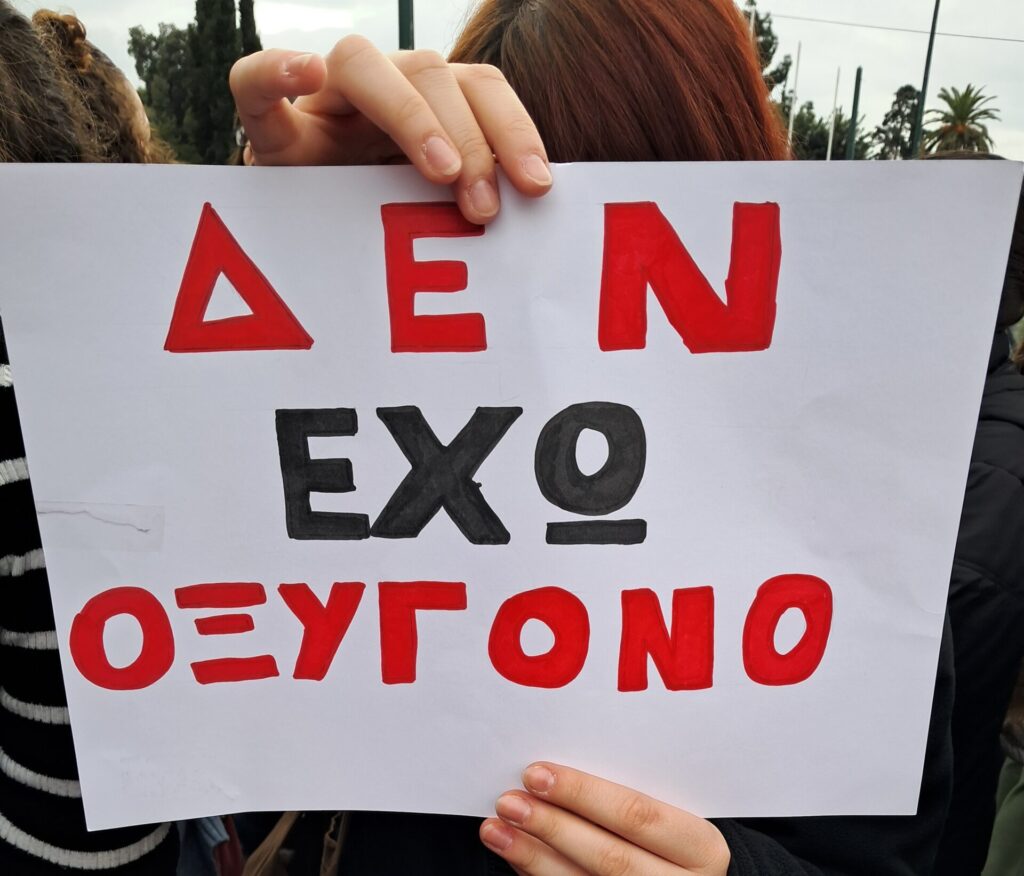
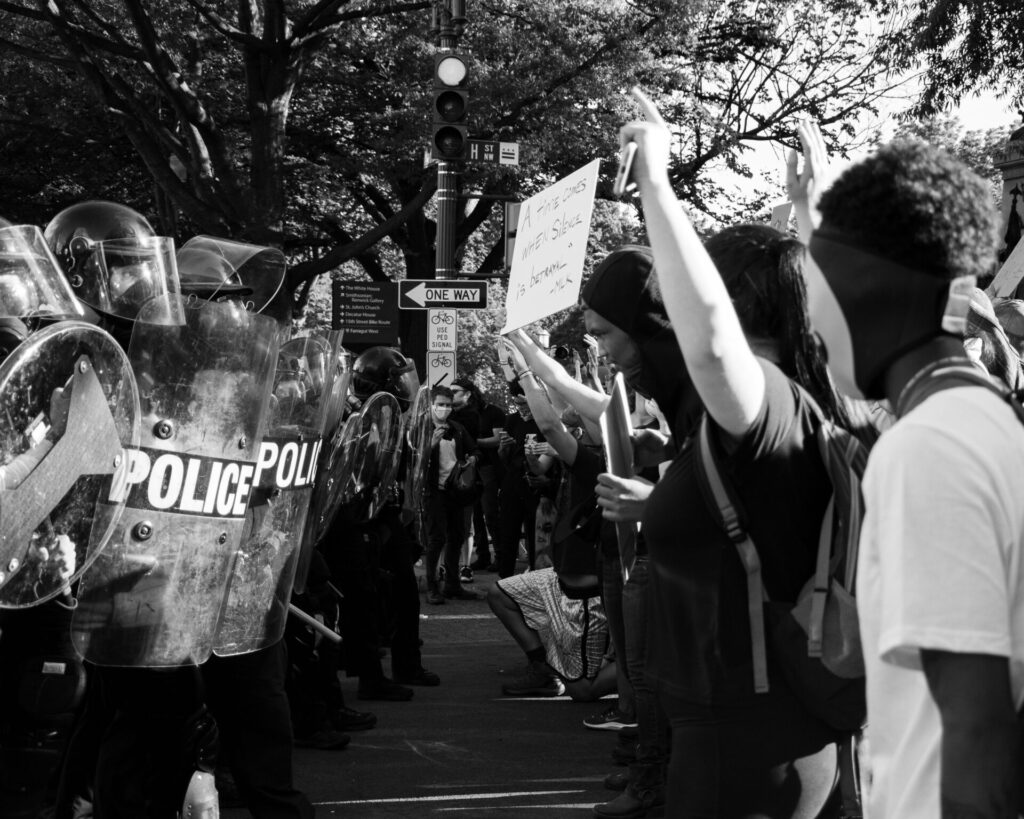
Despite the anger, outrage and sadness the Tempi train crash caused, it did not translate into substantial political change. In the parliamentary elections that followed in May 2023, three months after the accident, the same party got reelected. This makes us wonder how counterproductive the anger was. It possibly contributed more to people’s disengagement from public affairs, to the belief that ‘it doesn’t make sense,’ ‘nothing will change,’ rather than motivating mass participation to prevent the same outcomes from happening again. The Tempi tragedy initially acted as a collective shock. There was intense emotional mobilization, public mourning, protests and demand for accountability. However, anger, when prolonged without visible results or without trust that institutions can change anything, often turns into cynicism. In the end, we wonder not just whether the anger ‘mobilized’ or ‘pushed away,’ but also to what extent the social and political conditions exist for this anger to turn into steady collective action instead of exhaustion or disappointment.
In the Global South high age requirements and restrictive laws prevent young people from running or office, stereotypes portraying youth as inexperienced reduce voter and institutional confidence and limited civic education and weak youth-focused policies further restrict engagement. Young people have historically been at the forefront of change, defending civil rights, showing up to vote, and actively shaping the world they want to live in. Yet in recent years, youth engagement in formal politics has been experiencing a steady decline, with young people voting less and rejecting political party membership. Young people are increasingly indifferent to engaging with formal politics at a time when their participation, though always necessary, is needed more than ever. For example, across Africa, young people are more disengaged than their older peers in almost every political activity, besides protesting.
The Tempi train crash highlighted the importance of social protection and state responsibility towards citizens. When this does not happen, trust in institutions is shaken, and feelings of insecurity and injustice in society are reinforced. The mobilizations that followed showed how multiple generations of people completely lost their trust and were hurt by the very system that was supposed to protect them.
In a landmark study on the children of Holocaust survivors, psychiatrist Rachel Yehuda and her colleagues showed that the effects of severe trauma can be passed from one generation to the next not only through memory and family stories, but through biological changes in how stress is regulated. The study found that Holocaust survivors and their children both showed epigenetic modifications to a gene central to the body’s stress-response system meaning the children, who had never experienced the camps themselves, carried a stress-response profile shaped by their parents’ trauma. Later research extended this line of inquiry to the third generation, examining grandchildren of survivors and finding both psychological and epigenetic symptoms of the original trauma (Yehuda et al.,, 2016).
While the evidence for biological transmission is strongest in prolonged extreme adversity, research on mass disasters shows that adolescents exposed to such events are at elevated risk for PTSD, anxiety, and depression that can persist for years and disrupt the developing sense of safety, trust in institutions and belief in the future itself. Specifically referred by clinicians as a ‘sense of a foreshortened future,’ a documented symptom of post-traumatic stress.
Studies of the Tempi crash itself found that young Greeks distrust of government and political institutions intensified sharply after the disaster, resulting in feelings of sadness, grief and anger. The psychological impact and generational trauma that this crash caused is real and how it might appear in this generation’s future is alarming. However, this tragedy is not an isolated event, across the Global South, young people are navigating overlapping pressures poverty, conflict, displacement, climate shocks, food insecurity, and limited access to mental-health care, that leave them disproportionately vulnerable to psychological distress. In India alone, the National Crime Records Bureau recorded 13,892 student suicides in 2023, the highest in a decade, with more than 10,000 children and adolescents lost every year. In Brazil, adolescent and young-adult suicide mortality reached 6.13 per 100,000, with a steady upward trend. Across sub-Saharan Africa, a nine-country study of over 8,000 adolescents found 4% reported suicidality within the past year and in parts of Nigeria, that figure rose to over 12%. Globally, suicide remains the third leading cause of death among 15–29-year-olds.
The train crash is just a small example of how a specific incident can be multifactorial and, in a way, contribute to the explosion of systemic problems in society. On this short article we saw just that, how a specific example, if teared apart, can reveal so much. How from a train crash and the effects on this generation, we can analyze and discover similar types of problems on a larger scale and in this case in the Global South.
Eleni Gjikondi is a junior undergraduate student in the Department of Social Work at the University of West Attica in Athens, Greece, and a DDRN intern.