 by
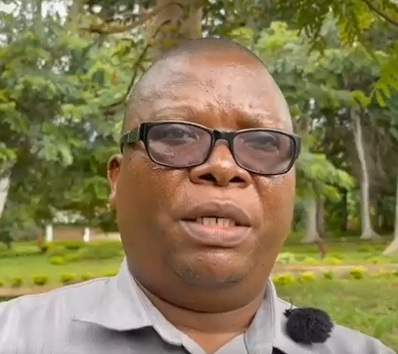
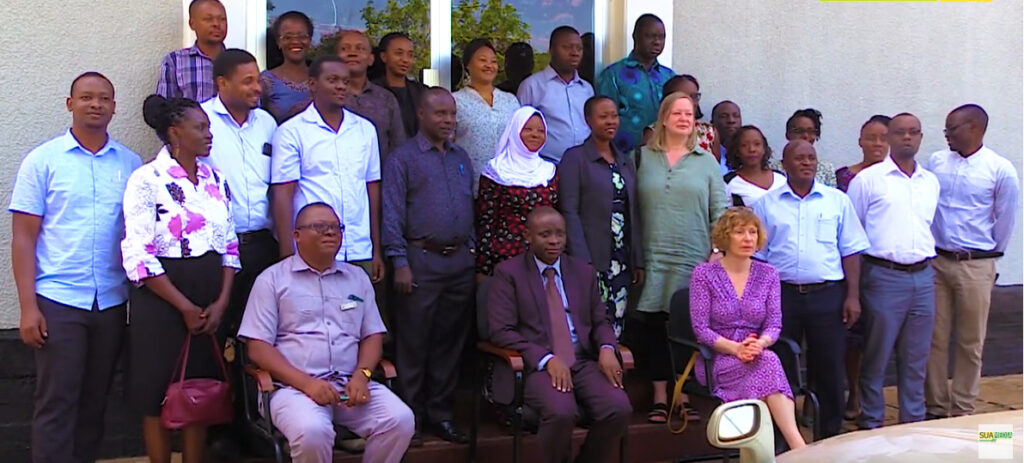
by Anthony Zozimus Sangeda: I work as an Associate Professor, Natural Resources Management, Head of Department, Department of Animal, Aquaculture and Range Sciences (DAARS), Sokoine University of Agriculture (SUA), situated in Morogoro, Tanzania. I also work as Deputy Principal for the College of Agriculture in this university. But in relation to the talk we have today, I served as the overall coordinator for the Building Stronger Universities (BSU) program, which ran over 12 years. I served for almost half of this time.
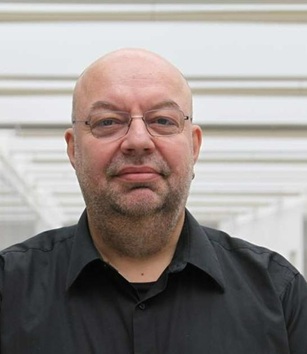
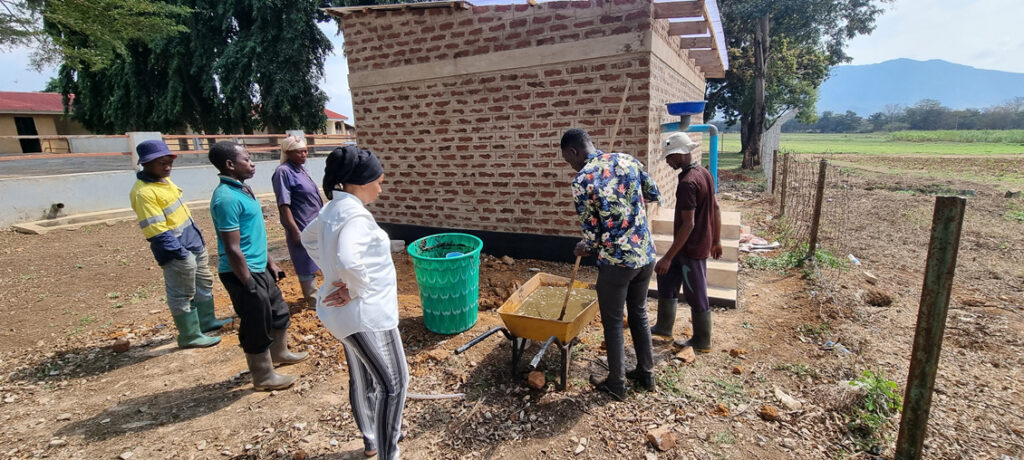
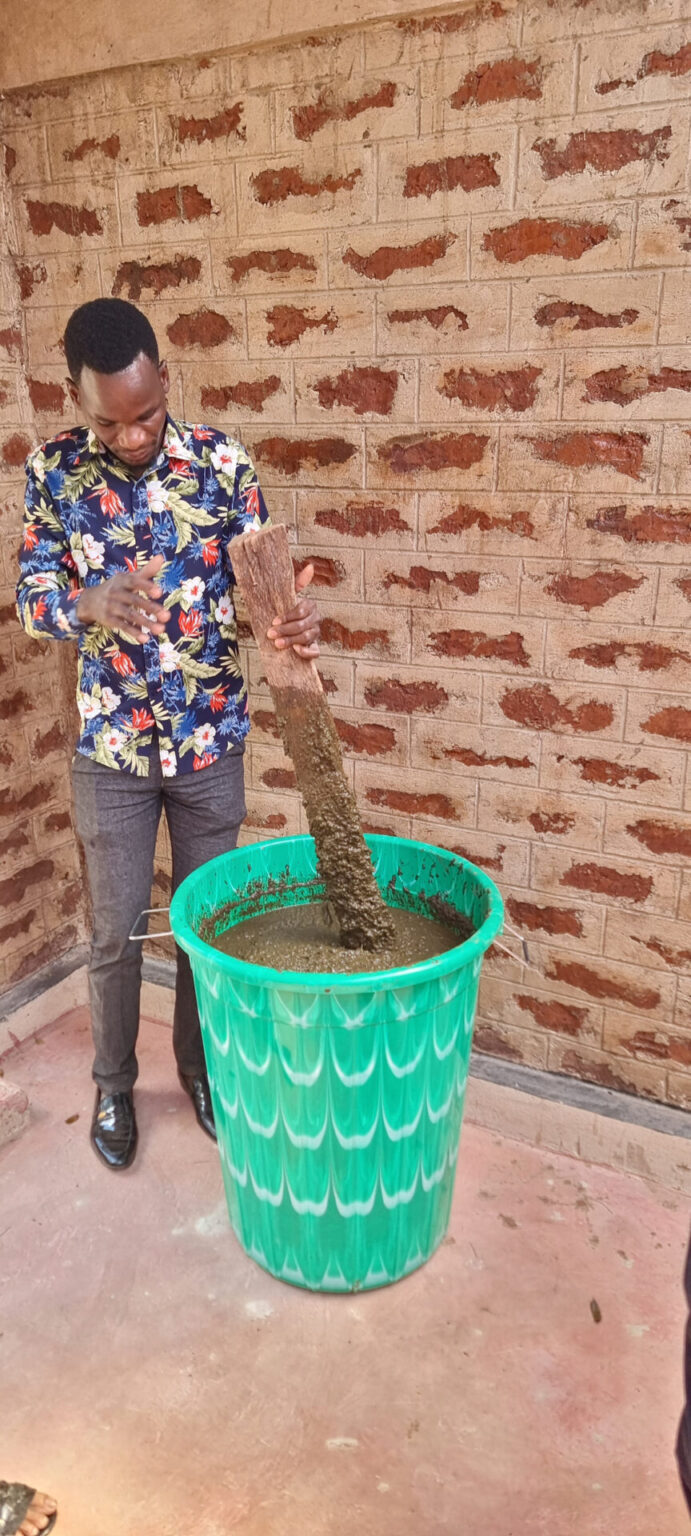
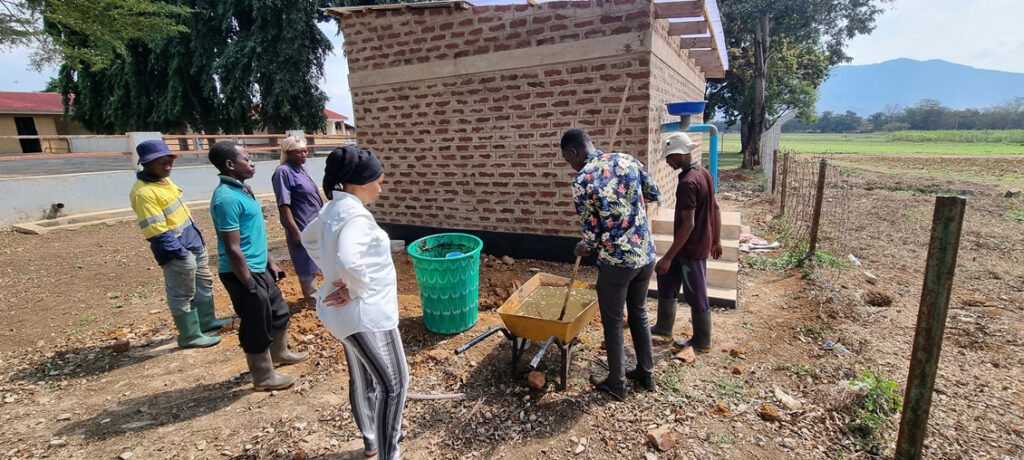
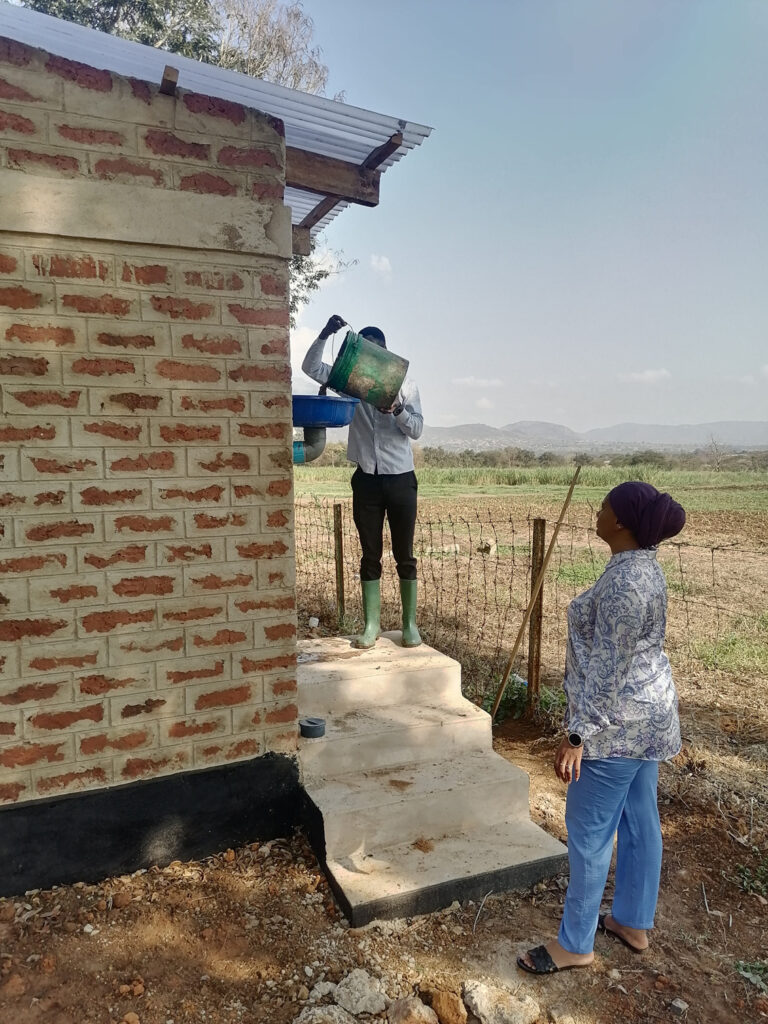
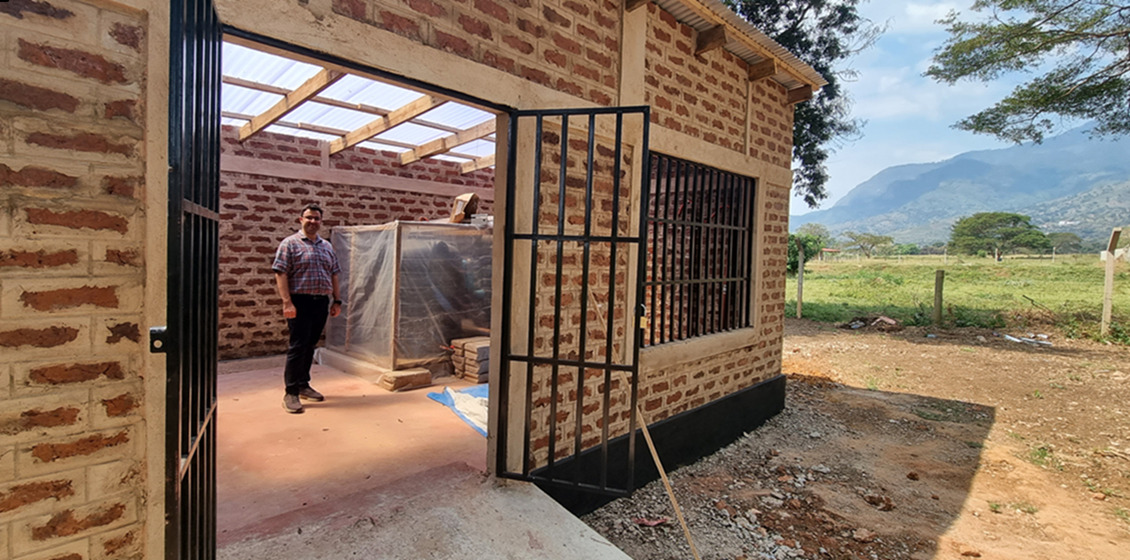
Morten Birkved: I am a professor at University of Southern Denmark. I am also heading the Life Cycle Centre, which is a research unit, where we conduct research on industrial ecology and environmental engineering. Over the years I have been participating in a number of projects in emerging economies, one of which being the BSU III project, where Anthony was acting as the Southern leader. I am also participating in a newer project, ‘Create Green Africa’, which is similar to the BSU program. It is also about improving environmental educational capacities in the South. It is a collaboration between nine African countries, where the exchange of students takes place over a period of three years in order to improve the educational level within environmental engineering and environmental assessment capabilities. During BSU III, I visited SUA quite a number of times. Towards the last part of BSU III, we managed to build a test biogas plant at SUA which started running at the end of the project. The intention with that biogas plant was to improve teaching capacities within novel and sustainable energy conversion technologies.
Anthony Zozimus Sangeda: First, I should say that BSU was a unique program for SUA, because before BSU we used to have mainly research projects, and we used to collaborate with our partners in research-related projects. For BSU, it was not really an intervention on research, but rather it was a project on institutional capacity development strengthening the capacity of the institution to undertake quality research. So, it was not really research-oriented like the FFU projects; it was unique and for that matter it was also unique for the SUA community. And for quite long, we had no such kind of projects. In terms of strengths, we thought there were a number of issues for this project. First, this project managed to end while developing three post graduate programs, all of them for PhDs. These programs have been institutionalized in the SUA system; they have been hosted by the departments within SUA. They are enrolling students. That was a tick number one, and a major issue was that everyone at SUA and in Tanzania would keep remembering the existence of the BSU. We had PhD programs in agro-ecology and agrobusiness, these programs exist, and in my department, I have one which is Master of Science in aquaculture. We are training men and women in this program, and aquaculture in particular is a very growing industry in Tanzania, it is a very particular sector because of the need for the protein and fish could be one of the most accessible proteins for the livelihood, safety and food security for community. So that was a big issue. BSU trained six academic SUA staff to the level of PhD in a full funding mode. They were ten months in Denmark. Some achieved double degrees from SUA and from universities in Denmark. They are now a very well workforce in SUA. Some are actually getting higher positions in administration now. So that was really another big issue for BSU. And there were a number of capacity building in innovative pedagogic approaches: How to teach our students and mainly BSU transformed the way of teaching. Mainly we were under the teacher-centered approaches where you just give lectures, students memorize and then do the exams. But we see a transformation through BSU, where people were trained in a number of these pedagogical approaches transforming the thinking from teacher-centered to student-centered approach. And that has helped even for the students to think as they do their education. The other area was actually the capacity of staff to do research and also to write research projects. It was through the training that we had in the BSU. Researchers could even write research projects and get funding from other donors. And we have this program going on now, like we established an agro-ecology hub in Tanzania. It is a hub that coordinates initiatives on agro-ecology in Tanzania and that is hosted by SUA and it is being funded by a foundation from USA. This is a capacity that was built through the BSU and now we have a hub for agro-ecology going on in Tanzania hosted here at SUA and I am one of the secretaries, I work in that hub. And we are continuing with projects through this hub, and we are working with almost all partners in agro-ecology in the country – universities like Nelson Mandela Institute and we work with University of Dar es Salam and University of Dodoma and we have NGOs and research institutes in the hub. And we have farmers who are working in agro-ecology and organic farming. So, you can see that this was a seed that was planted through the BSU. And you can see now that this hub is working and that SUA is coordinating all stakeholders supporting government policies related to agro-ecology and we have reached a stage where we have the strategy for agro-ecology. We don’t yet have a real policy, but we developed a policy in consultation with the Ministry of Agriculture and Ministry of Livestock and other partners. We are there.
I will now proceed with the weaknesses. When we were in BSU 2, if you remember, we entered into an era of Covid 19, and I can assure you that it reduced our speed of intervention and it impacted a lot on this program. Most of the face-to-face interventions could not be done for almost two years. And we were not prepared for online communications and unfortunately SUA was not very good in that area, if you compare it with other universities. So, it really impacted us a lot, and it reduced the speed of implementation. But in BSU we also worked to develop research groups. And we learned from this process that it was not easy. Before we thought it was just a normal thing. As we talk now, we are still united, we call it BSU family. When there is a call for proposal, what we have been doing in BSU is that all members will get information. So, within this BSU family, we have research teams. If you go to agribusiness, you will find two or three teams working together. I assure you, it was not very easy to reach that, because we are people with different disciplines. That was a new experience. Sometimes before, people on crop science would work by themselves. But today, a crop scientist will work with an animal scientist and somebody in agribusiness. So that is how it looks now. And we reached there with a lot of difficulties. Something that was also a bit delimiting and challenging was the linkages to the industry. Our interventions did not have a very clear link to what is happening in the industry in some cases. And at the end, we realized that it would be an area where we need to be more attentive. So, we are working with farmers, but it was not at a level where we really needed. But also, another weakness that we found was the approval of professors, where we are trying to accredit the programs which we developed. The design was to have this program up and run earlier than was expected, so there was a lot of bureaucracy, a lot of teams had to be made to project the capacity of teaching these courses and lot of logistics issues from the governing bodies. Later, they were approved, but they were approved a bit later than we expected in the project. These were a few issues that I can mention that became limitations in our interventions under BSU.
Morten Birkved: My role in the BSU3 project was to be responsible for teaching academic staff and PhDs in sustainability assessment competences and disseminate sustainability assessment frameworks and so on. It was a substantial travelling I had. It did not amount to as many hours as Anthony has invested in the project by far. I think the framework of BSU has some strengths seen from my engineering perspective, which is quite different from that of most other participants from the North who came from a humanistic and socio-economic and socio-technical background. I felt that through the courses and tools and methods which I was disseminating I got the sense that the receiving Southern partner had the feeling of being empowered by a larger global agenda, which is of course sustainability enabling them to do something active for their own area of research for their own industrial sector within which they were working and got quite positive feedback. Of course, it was quite challenging to disseminate a complicated framework, but I think overall the people received it quite well and they felt empowered because it was facilitating the Southern part to engage in the global sustainability challenge and actually provide decision support for local policy makers and also national policy makers. I got a positive impression of the engagement that was exhibited by the local Southern partner. Overall, I see it as a success, because we have actually disseminated these competencies, and it was received quite well. And of course, it is becoming more and more urgent that South countries participate in the sustainability challenge or green transition challenges. And these tools are requisites for engaging in this challenge in an informed way. I think SUA staff and PhDs have learned quite a lot and some quite useful things. Further, being able to build that biogas plant at SUA also provided a teaching tool which will enable SUA to teach actual technologies that can facilitate green transition. That is what I saw as positive sides to the program. As mentioned earlier, it is a very limited role that I played in the program. On the negative side, in relation to the follow up program, BSU4, I got the sense that the Danish funding bodies suddenly had a change of mind about what they would like to support. It felt discontinuous, so in that way it is a very limited, narrow timeframe that DFC (Danida Fellowship Centre) allocates for focusing on this particular area. In that way, they are not trying to ensure the success of survival in the long term, which was a bit disappointing seen from my side, because I think by supporting what was achieved during BSU3, it would be possible to ensure the survivability of the majority of the competences that were disseminated to the people at SUA. But that was not a priority for the Danish funding parties. The shifted focus and now it is something new, which they are focusing on. And of course, they are free to do that. I just had the impression that we could do a lot more by ensuring survivability of what has been achieved. I think that is it from my limited view of BSU3.
AW: Do you have any specific changes or improvements of the BSU program, which is still on?
Morten Birkved: I don’t think the shift in focus is in the interest of DFC nor the people participating in these large programs. So, building in some continued focus supporting the survivability of what has been achieved is something that DFC should maybe consider.
AW: Dr. Anthony, what is your recommendations for improvements of the BSU program? How do you respond to what Morten has just pointed out?
Anthony Zozimus Sangeda: Yes, I have more or less similar feelings like what Morten said. At the end, when we heard this announcement that there is no longer funding for BSU 4, we asked for reasons and DFC said that it was about the capacity building and they have a feeling that our universities are now becoming stronger and they would like to go to smaller universities also to build their capacity, and for Tanzania they had to choose the State University of Zanzibar (SUZA), which is a relatively newer and smaller university to SUA, and also other areas in the South; they went to Uganda, Gulu University, and also Somaliland where there is a university. But also we requested, if that is the case maybe if you have a feeling that our capacities are well enhanced maybe we need to take a role to partner now with these new universities and act as mentors. And that could be actually strengthening South to South partnerships and collaborations, but at the same time we could also proceed with the South-North partnerships that were on my view actually somehow strengthened because it was also very easy for Morten I think for this talk to just say ‘well I can have this talk with Anthony just because we have worked together before, he knows me, to mention another person. Like the biogas plant I think Morten worked with the two researchers, David who is in my department, but there is another lady, Amina, who is in a small campus close to where I am. So, already we established very clear working relations and to me I thought we would have taken this much further rather than actually ending at BDU3. If you look at how we implemented BSU3, it was in the same order that there are some issues in BSU1, which started way back in 2011, and we came to develop the programs actually in BSU2 we started it in 2014. So, when we came to 2017, when we initiated BSU 3, actually, the idea was to consolidate our efforts that were made in BSU 1 and BSU2. So, for BSU4, it was the proper time to cement whatever we started in BSU3 like the running of the programs. And we initiated activities like circular economy was more into the BSU3 and almost at the end of it. So, luckily for example that the biogas plant was constructed, it started working, and by the end of the project, it was working and is an area where now can be used by farmers to train, by postgraduate students to do research. So, there were issues now that we needed actually to continue, for example in the area of circular economy, which is very hot today. We needed more time, because it is one of the areas that were not very
much developed under BSU3. So, I have the same feeling that I think it is also good to scale up to other areas. We agree. It is also good to scale up other areas, but I think we were supposed to have some activities going on to cement whatever we initiated in these three phases.
AW: Let me move on to another topic. I mean, the methodology of lifecycle assessment is sort of a key methodology in sustainable development. And it was also taught and promoted in the BSU program. I mean, to what extent is LCA life cycle assessment practiced in Tanzania today? Are there examples of products being, I mean, analyzed with this methodology? Morten, maybe you can start.
Morten Birkved: We were teaching the LCA framework with the, how can I say, the background that this is the default assessment methodology within Europe. And our hopes were that by enabling the Tanzanians to conduct various assessments of products and most formerly food items that could be exported to Europe. Tanzania could gain an upper hand on the export market by becoming aware of what data the European authorities would need for these assessments. The PEF framework, which is this product environmental footprint, which is being promoted in Denmark and Europe in these days for comparing various items. That way, the Tanzanians would have the upper hand by being very familiar with the framework that needed data from the Tanzanian producers and industry sectors in order to assess the products from Tanzania and facilitating a more seamless marketing process of these products in Europe. And that of course I think is in the overall interest of Tanzania to gain an upper hand in the export of products in general. And of course, also over time become, I can say, able to conduct these assessments themselves and at least introduce some decision support in navigating various industry sectors, for instance the food sector, in terms of what products should be promoted nationally and what health slash sustainable nutritional strategies should be promoted within Tanzania. Overall, I sense that there was a great interest in this program, especially in terms of the data part what data were needed by the European authorities and other authorities that was of great interest to the to the locals in SUA in Tanzania and I think the framework as such is not more complicated – it is complicated – but it’s not more complicated than it can be handled by also academics from Tanzania.
So it is, I think, proper preparation to at least become familiar with this framework in order to gain the upper hand in a very competitive export market.
AW: Dr. Anthony, what is your opinion about, I mean, the application of LCA, both for export, but also in the national context of Tanzania.
Anthony Zozimus Sangeda: Let me declare the interest that actually this is not a subject of mine, but so far we are discussing issues related to the SDG number 12, which relates to these assessments about responsible consumption and production and i think we understand Tanzania is one of the country where population is also increasing and for that matter there is a need to have methods okay for doing assessment and monitoring like food waste, because we know we are producing a lot of food. Sometimes there are also a lot of waste that are produced, and we are all aware of the global population increase. And if we don’t have clear methods for assessing such issues, then it’s a problem. I think the government needs to have policies. Policies of reducing waste generation but also promoting circularity, circular economic practices, and having sustainable procurement policies and also looking at ways that are sustainable in our lifestyles. So how do we consume our food? How do we choose production? Where we produce with lower environmental impacts? And how can we have activities that lowers carbon footprint and so on? So, I think in my view, all these issues are being currently researched here at SUA. And life cycle assessment is one of the methods that are used in various research, and in so doing, I think we are really tackling this sustainable development goal number 12. Those are my observations. And BSU, I think, as I said before, we started here, but unfortunately it is where we really ended, almost at the end of the BSU3.
AW: Are there any specific examples of LCA applications? I mean, for example, in the form of messages or recommendations, advice to the general public about healthy food and labeling of food products, and similar things in Tanzania?
Anthony Zozimus Sangeda: I think there are examples because I’m seeing now a lot of initiatives and even in the Ministry of Livestock and Fisheries. If you look at the strategy also that has been developed for agroecology and the organic farming, you see a number of activities, but also lifestyle issues that leads to communities, to encourage community to see the need of consuming safe food and also communities or farmers to produce in a sustainable way so that there is local ownership of technologies, production, but also consumption, reducing waste, and consuming health food for sustainability. So, I see some initiatives in this line in Tanzania. Morten, if you can add anything.
Morten Birkved: At least from the literature I see comparison of European production forms and African production forms, especially for pork meat, and especially how the two production forms can benefit from each other and how the expectations are in terms of exporting meat from Africa to Europe within this green transition and what the constraints will be. So, I see some work going on in terms of optimizing the southern production forms in such a way that they fit with the expectations of the European Union as a receiving market. So, there is a focus on empowering the southern producers in assessing the product in such a way that they become competitive with European products. I think it’s very important for the African agricultural industry to be aware and to be capable of conducting these assessments in order to achieve this export upper hand that we talked about before. If they’re not capable and do not understand what it is that the European Union is asking for, they will be helpless.
AW: In the national context of Tanzania, I mean, do you see any scope for an even more advanced application of LCA that is, I mean, to establish circular economy in certain product lines? Can you point out any examples, which might, I mean,
Morten Birkved: That was the whole purpose of this biogas plant, that circular economy, converting organic material into energy. And the purpose of LCA in that context is to explore utilizations of various residual resources, kitchen waste, and I think we had waste from sunflowers and various infield activities. There were plant residues that could be used in various forms either for as direct fuel or for biogas and then also for fertilizers so the question is what route would be the optimal to utilize these resources in and that was something that Amina and David picked up quite fast that, okay, you need LCA to decide which route or route works best seen from a climate perspective, seen from an environmental perspective, seen from a resource perspective, and that there is no, I’m going to say, black and white. You actually need to figure out how to compare climate performance with resource challenges and so on. So in that way, the decision support power of LCA is something that was grasped by the locals at SUA and I hope it’s something that they utilize, especially when they teach biogas production to the academic staff and to the students in such a way that they become aware that the decision to produce biogas is not as simple as, yes, we can do it, that’s why we do it. No, sometimes you have to go through calculations and also figure out which route is the best and whether it actually makes a residual resource for biogas plants.
AW: Dr. Anthony, any comments on this question about the biogas plant and the scope for circular economy?
Anthony Zozimus Sangeda: Yes, if I talk a bit broadly from what Morten said, you know, at SUA now we have decided to initiate these courses that have a holistic approach like PhD agroecology. At first, we were mainly concentrating on this like conventional agriculture and so on. Now, with the PhD up and running at SUA, we thought it was not enough because sometimes we receive fewer students in that program. Now we have developed the MSc Agroecology. The whole idea is to have trained staff who will go out and work with farmers who will have these skills: How do you handle agriculture on a holistic approach apart from having an MSc and PhD? We have also developed tailor-made courses for in-service extension staff, those who are already working with farmers out there and they have never gone through such holistic thinking of producing crops and livestock. So, we have also done these tailor-made courses for in-service extension staff. And the whole idea is to create awareness for the farmers, the people who are keeping fish, the fisheries, the livestock keepers and so on. To start thinking that there is a better way of producing our products. And the whole idea is the security of the resources and efficient use of the resources in the biosystems. So, at SUA, we have even a plot, a demonstration plot, where we demonstrate how circular economy works on the ground. And only that the biogas plant is designed in let’s say like a hundred meters out of this pilot. We could not find a better place for that plant, but it’s very close to it. So, farmers, students and anyone who wants to learn about it, there is a plot where you could see how you can, for example, produce fish in a sustainable way and how can you use the effluent coming from the fish into the gardens, into the pasture? And how can this pasture also be used to feed livestock? And the livestock will produce manure, manure will come back to the farm, but also livestock will produce manure that will also be the input for the biogas and get the clean energy afterwards. So, we have a demo plot that actually demonstrates how circular economy works.
AW: What is the scope for future research cooperation between the two of you? Have you any specific plans in the pipeline for new projects?
Morten Birkved: We already tried out one GFC application that didn’t work out. We didn’t make it through first round. So of course, there is an incentive to attract new projects that can extend what has already been established in BSU3. Of course, GFC provides funding for that, but to me it also appears that Tanzania is not an easy country to attract funding for. There are projects being launched in Tanzania, that should be said, but it appears that it’s not as easy as it used to be and competitive, quite fierce. But I think with effort we should be able to attract funding for a new smaller project where we could focus on for instance, circular economy and sustainability assessment, even industrial ecology if that is something of interest. So, there is hope for future collaboration, but we haven’t been able to fund these plans yet.
AW: Dr. Anthony, how do you see the situation? What are your priorities for future research and in particular, of course, collaboration with Morten and his team at SDU?
Anthony Zozimus Sangeda: I think when we were trying to train our staff on circular economy particularly, eight young staff from SUA visited Denmark for some two or three months. And when they were in Denmark, other issues that they learned on how to do circular economy projects. And when they came back, they started to design like small research projects. Some of these projects are being implemented by masters students now but the idea was also to develop some of this into researchable research projects and try to work with the Danish partners to implement maybe through funding from Danida or European Union that has not happened yet to reach a point where we have a consolidated project and submitted to EU or Danida. But that has been our thinking. That’s the way we want to enhance our future collaborations and our future partnerships. Although some of these small research projects are developed now, and I’m not very sure but some of these have been submitted to COSTEC, which is the National Commission for Science and Technology which normally provides research funding to institutions so that is another area that we target for such kind of research projects. So, there are some initiatives about the four research ideas were developed out of the trip that was done to Denmark. And we are working to see if these can be developed further to a level that can also be funded in future collaborations. That’s what we have now.
AW: Any concluding remarks from your side, Morten?
Morten Birkved: No, except that, of course, it was a very positive experience with BSU3, and I really hope that we, at some point, will manage to attract funding that allows us to continue some of the activities that we had within the project.



Dialogue between Professor Morten Birkved and Professor Anthony Zozimus Sangeda moderated by Editor Arne Wangel